Via Santo Spirito 6, Florence, Italy
Location
The aparthotel has evolved considerably since its late 19th- and early 20th-century origins, from serviced residences for affluent urbanites to practical accommodation for holidaymakers and long-stay business travellers. More recently, the format has been recast around design, privacy and the idea of living like a local, a trajectory that has now come full circle as luxury hospitality embraces private residences with hotel-level service. La Réserve is one of the brands shaping this more rarefied interpretation, and its first Italian address, La Réserve Firenze, brings the model to Florence’s Oltrarno district this October.
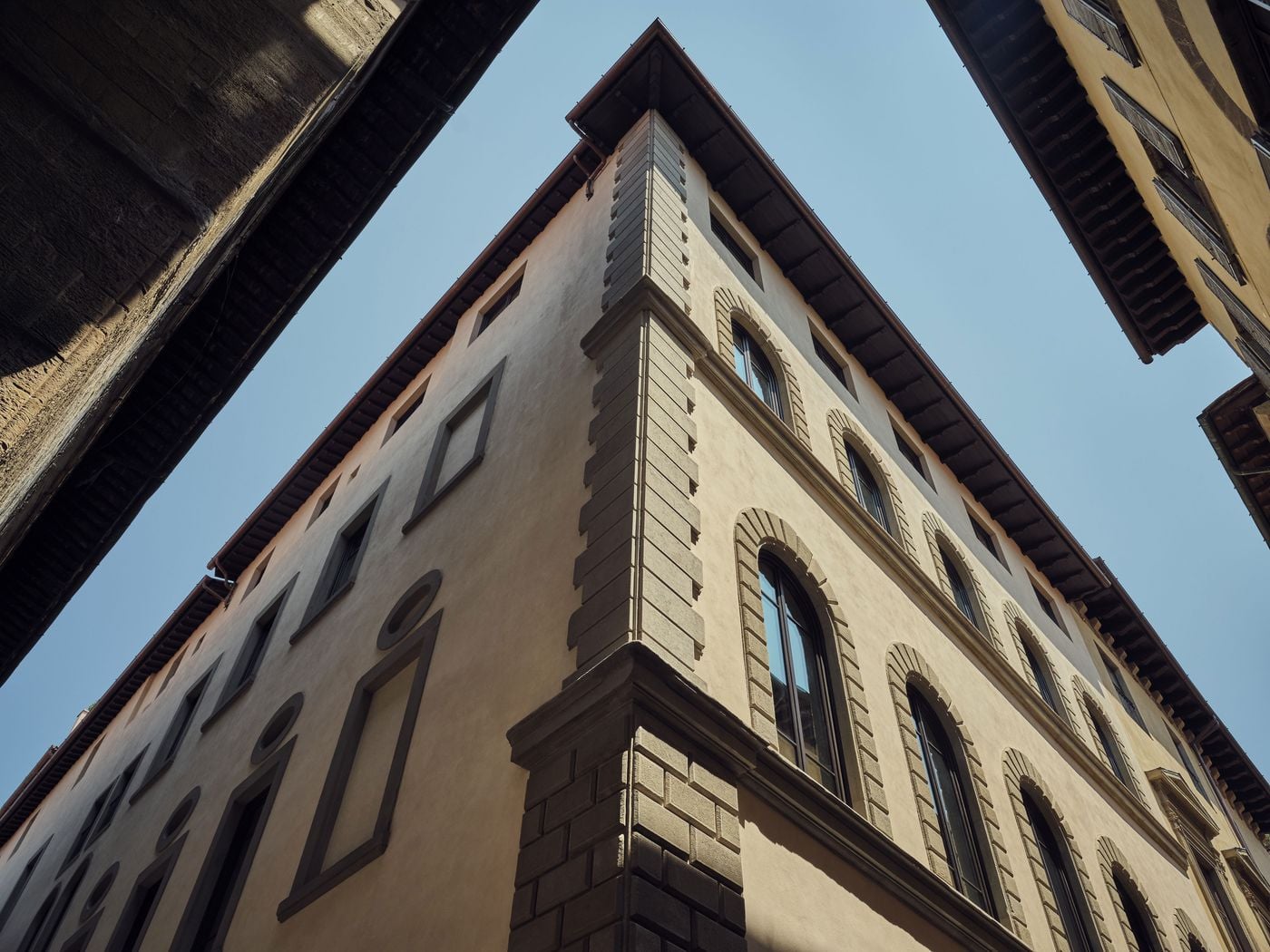
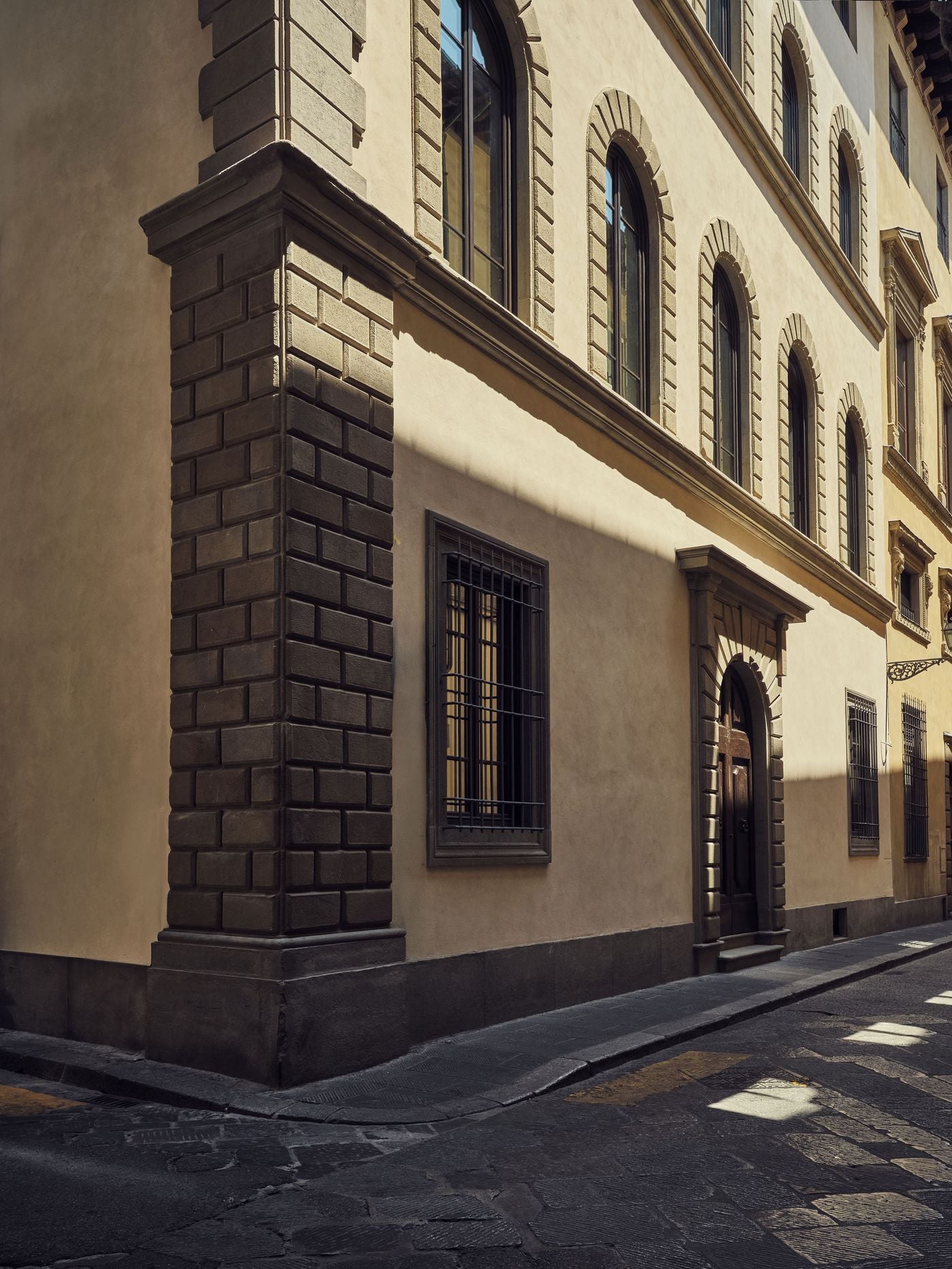
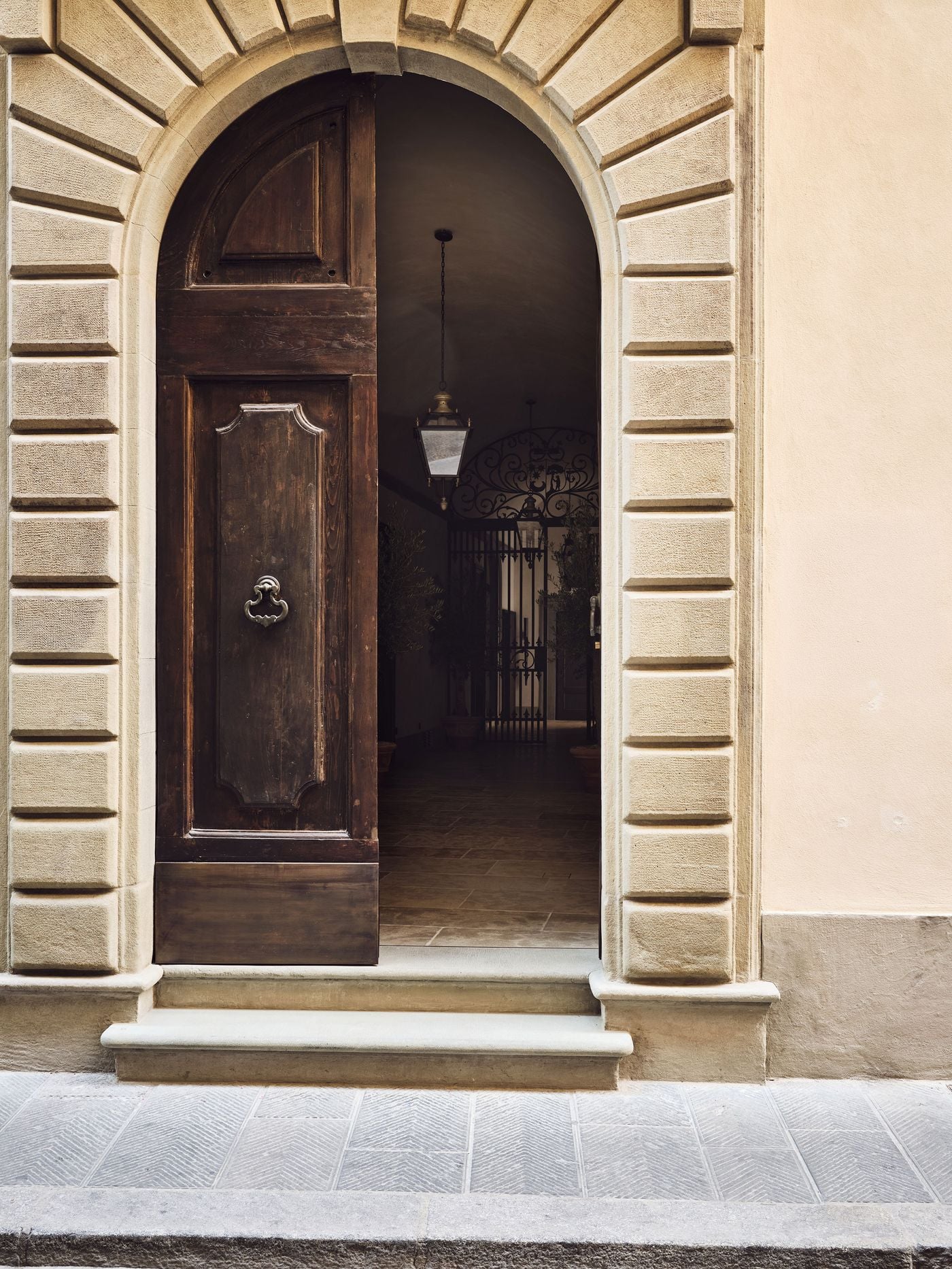
Occupying a restored 15th-century palazzo, the property comprises just six generously proportioned apartments, each conceived as a private Florentine home complete with the comforts and personalised services of a luxury hotel. Designed by French interior design duo Gilles & Boissier, it brings together architectural heritage, contemporary refinement and the personal sensibilities of its owners to offer a more authentic, residential way of experiencing the Tuscan capital.
Photography © Matthieu Salvaing.
Photography © Matthieu Salvaing.
Photography © Matthieu Salvaing.
Photography © Matthieu Salvaing.
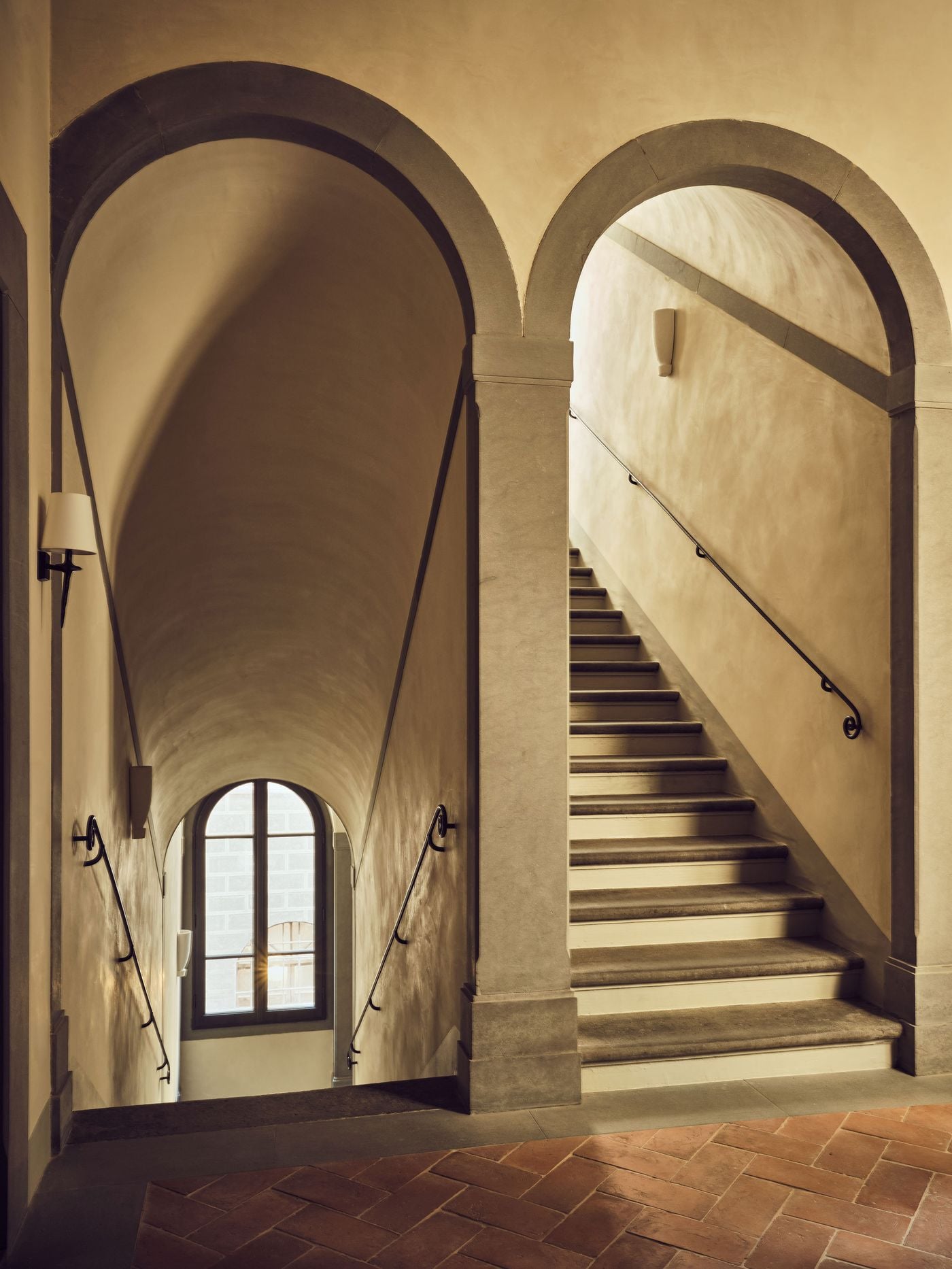
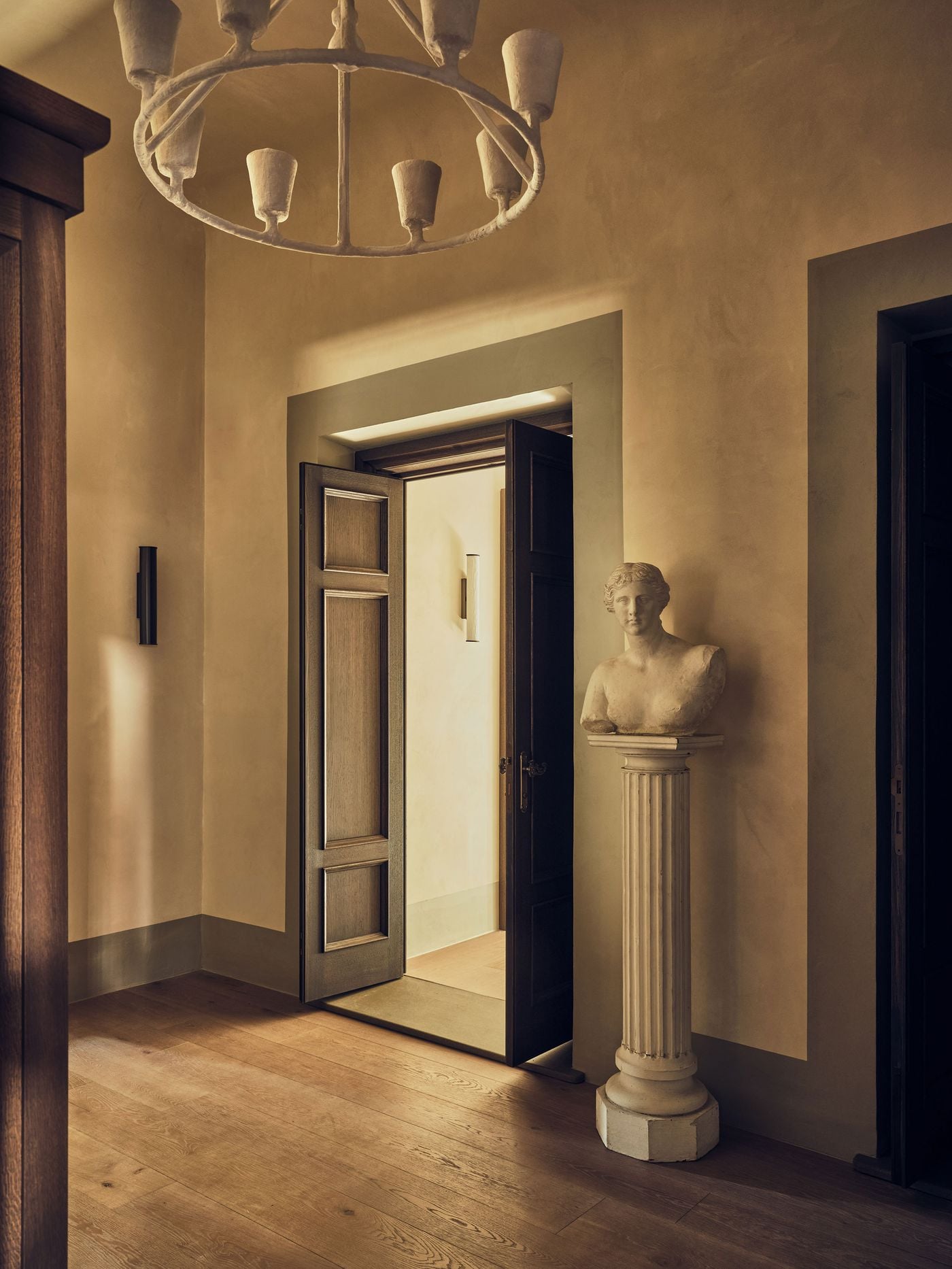
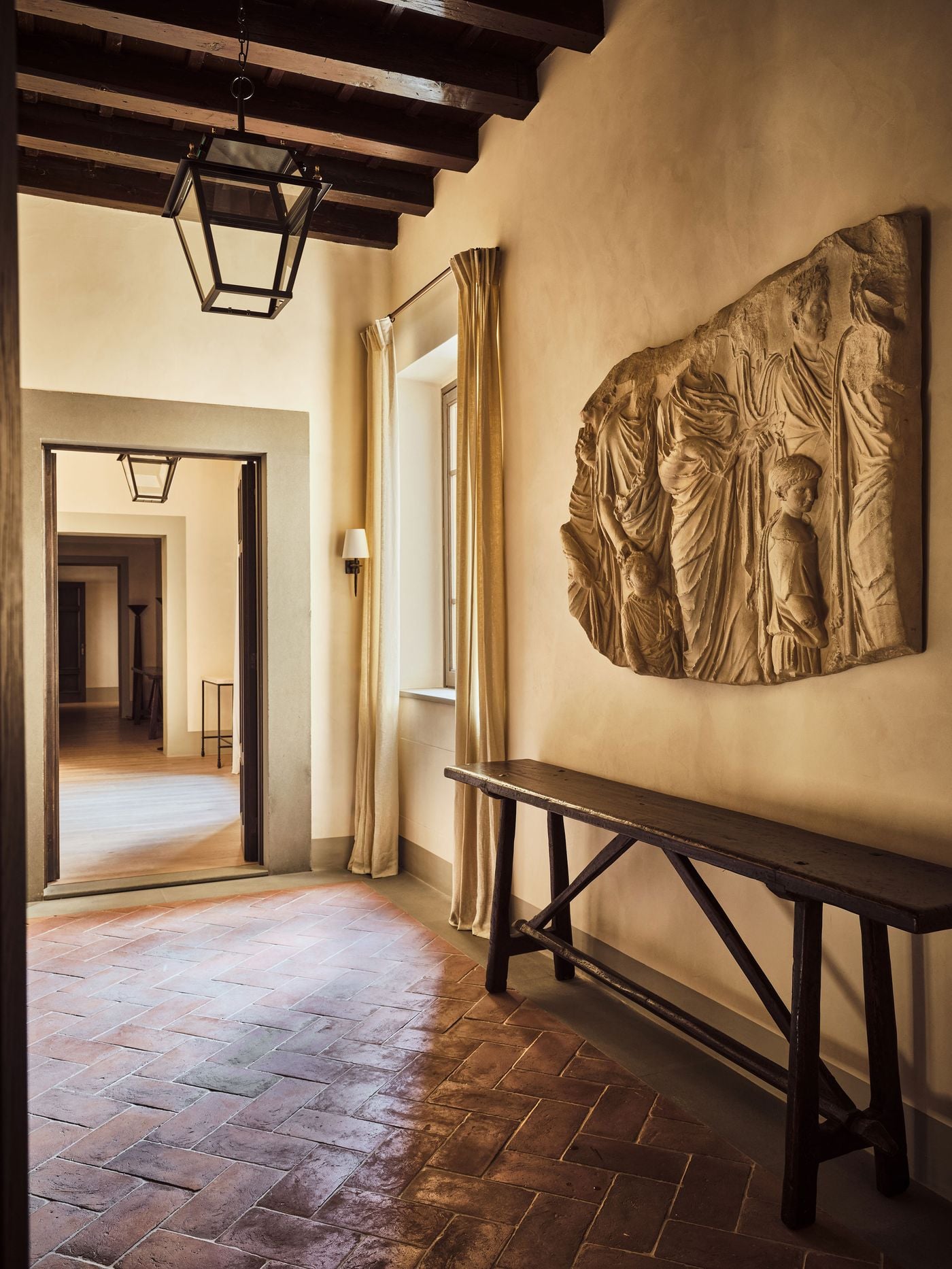
The project is the brainchild of Olivia and Grégory Marciano, a Parisian couple who relocated to Florence with their family in 2019. Captivated by the city’s cultural heritage and way of life, they recognised the potential of a historic palazzo that had been converted into student accommodation. After acquiring the property in 2022, they embarked on an ambitious four-year restoration, enlisting Gilles & Boissier to reimagine its interiors. Their vision found a natural partner in Michel Reybier, founder of La Réserve Hotels & Private Homes, whose approach to hospitality centres on creating intimate, distinctive addresses rooted in their surroundings.
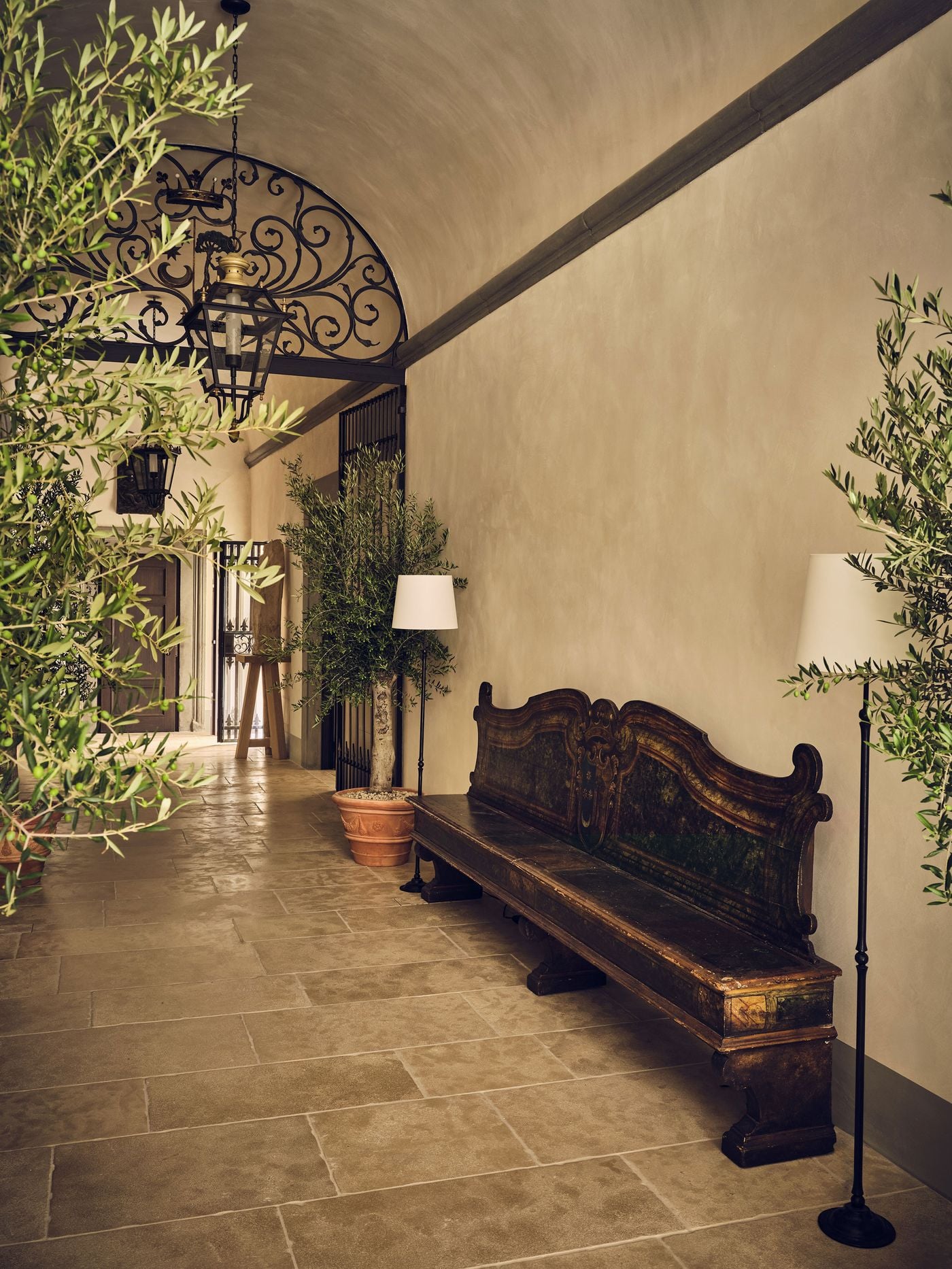
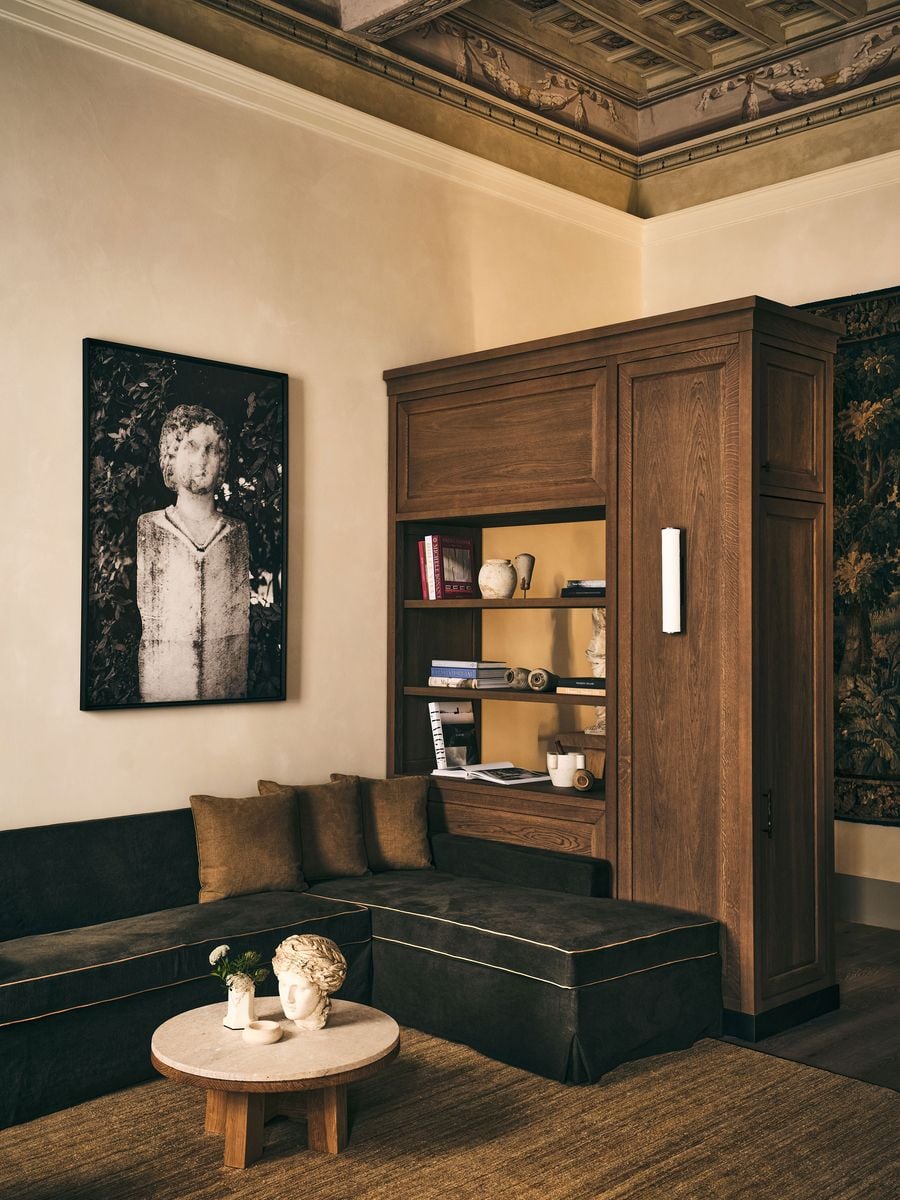
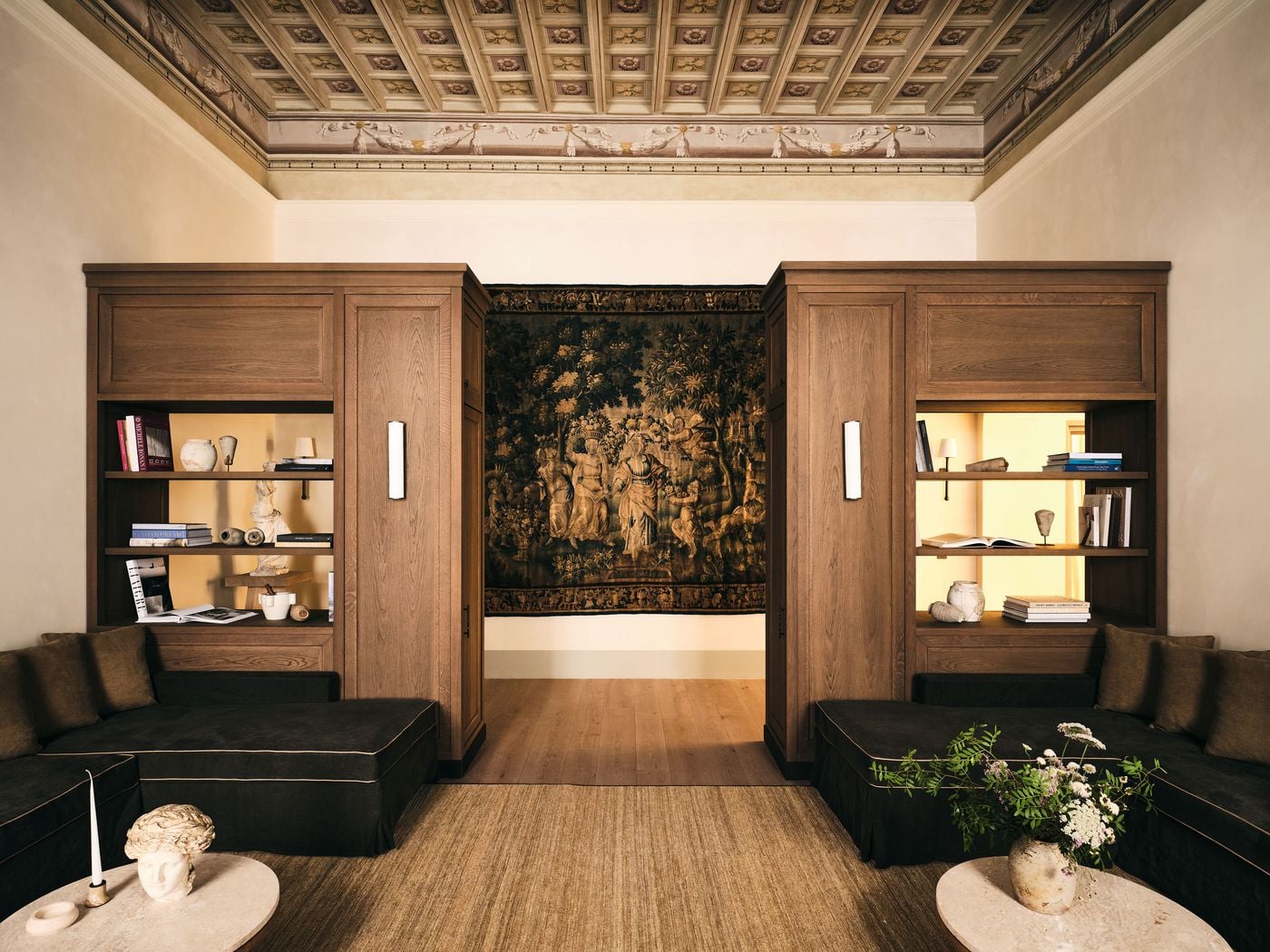
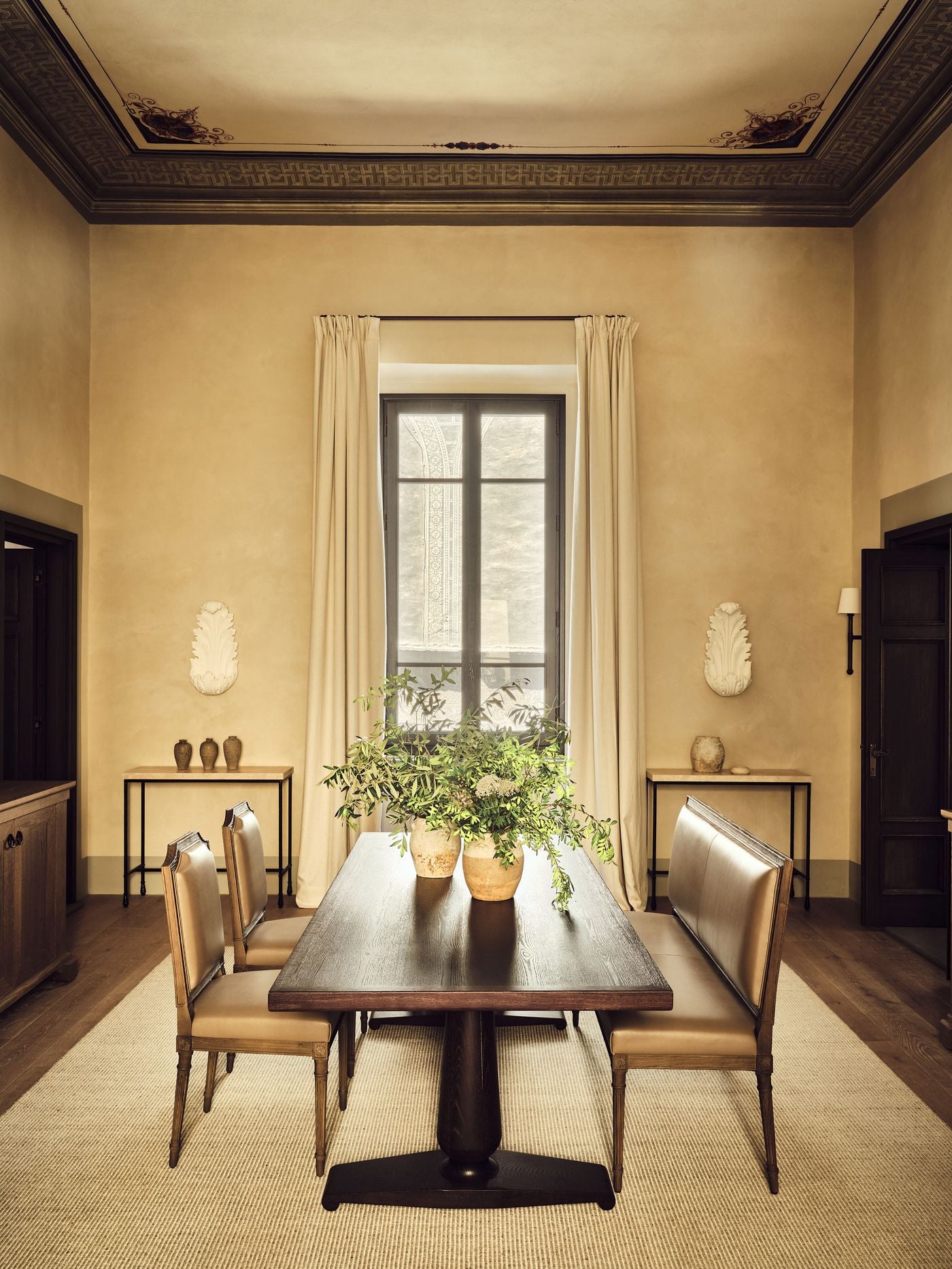
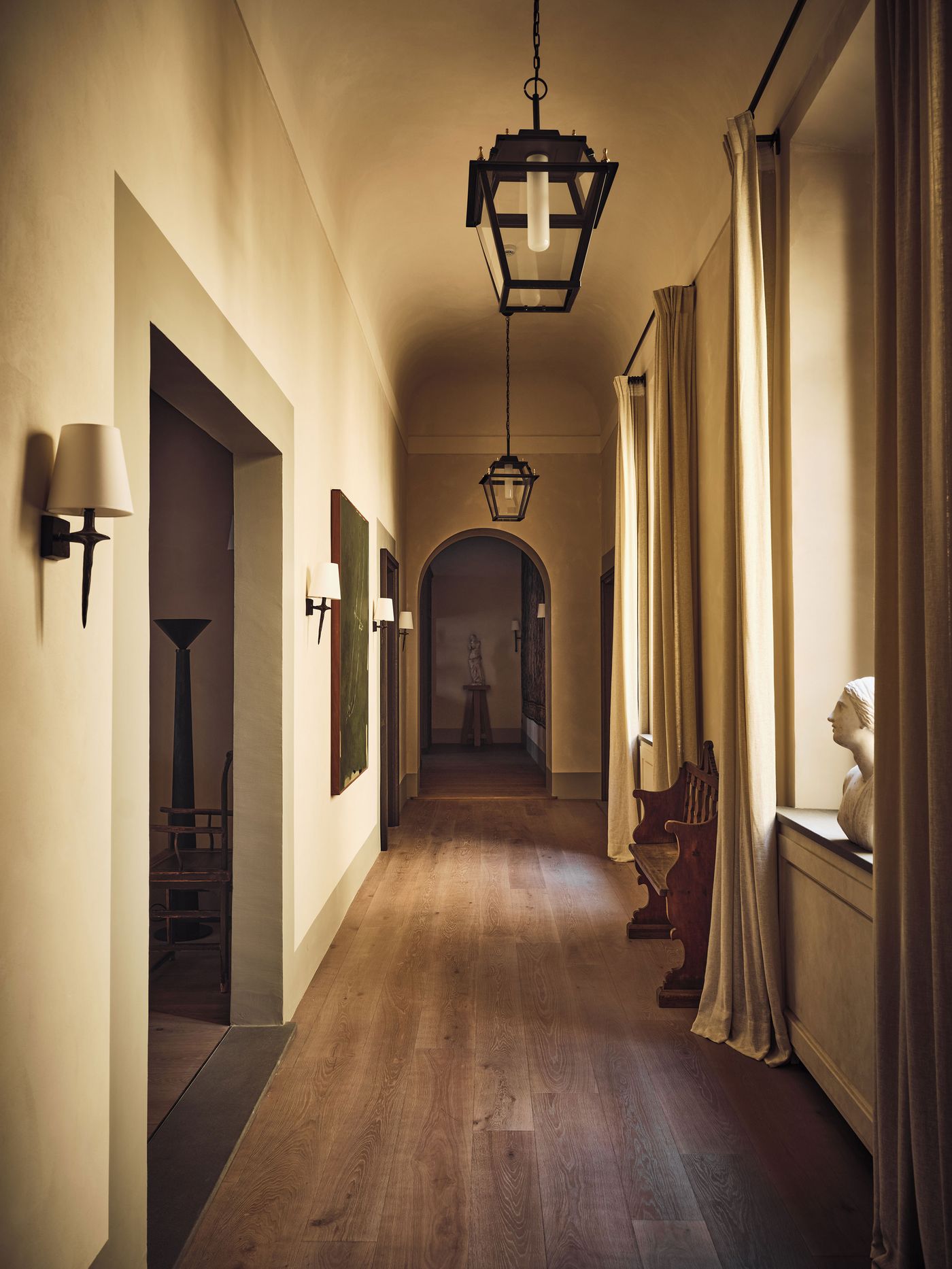
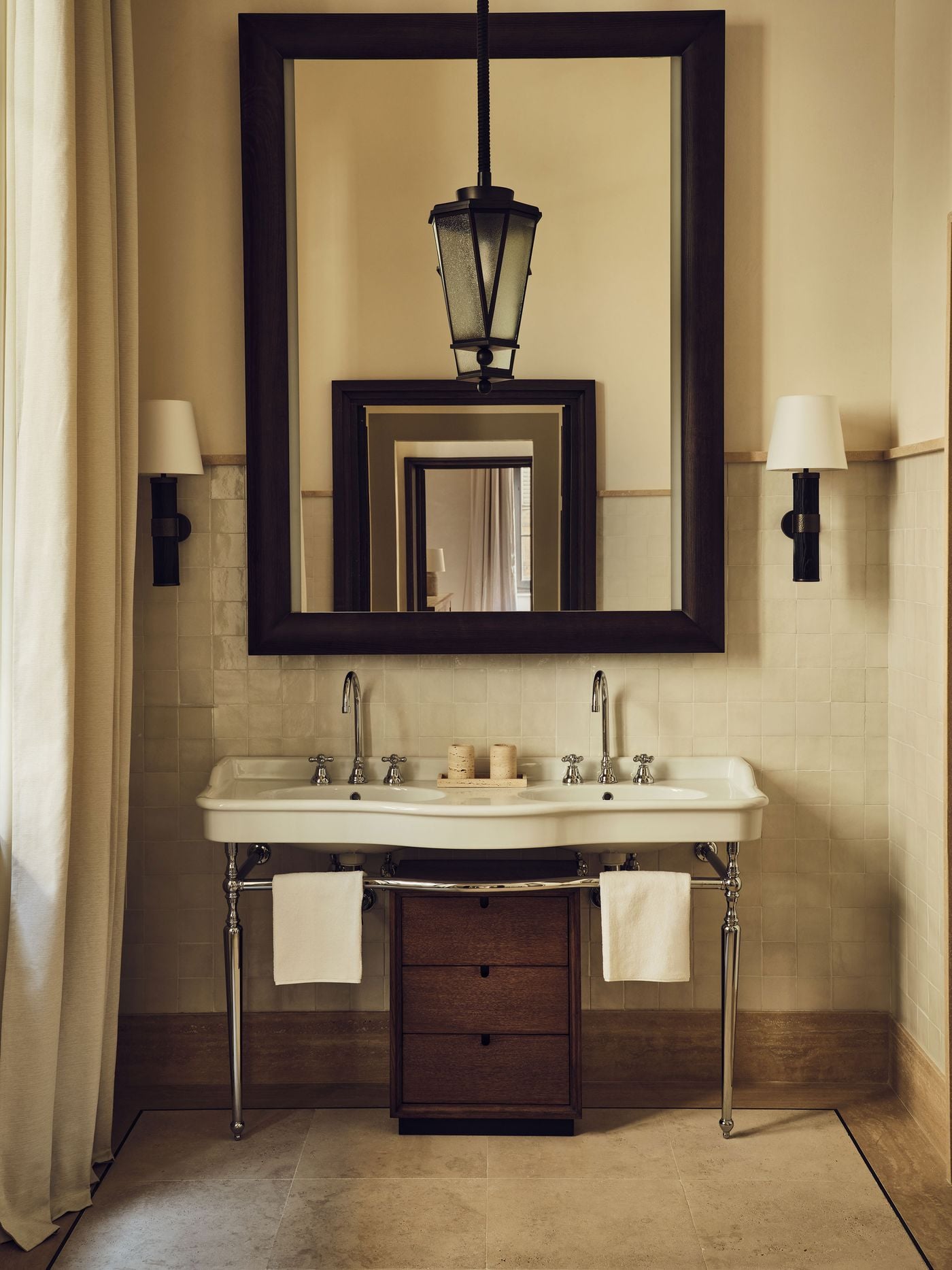
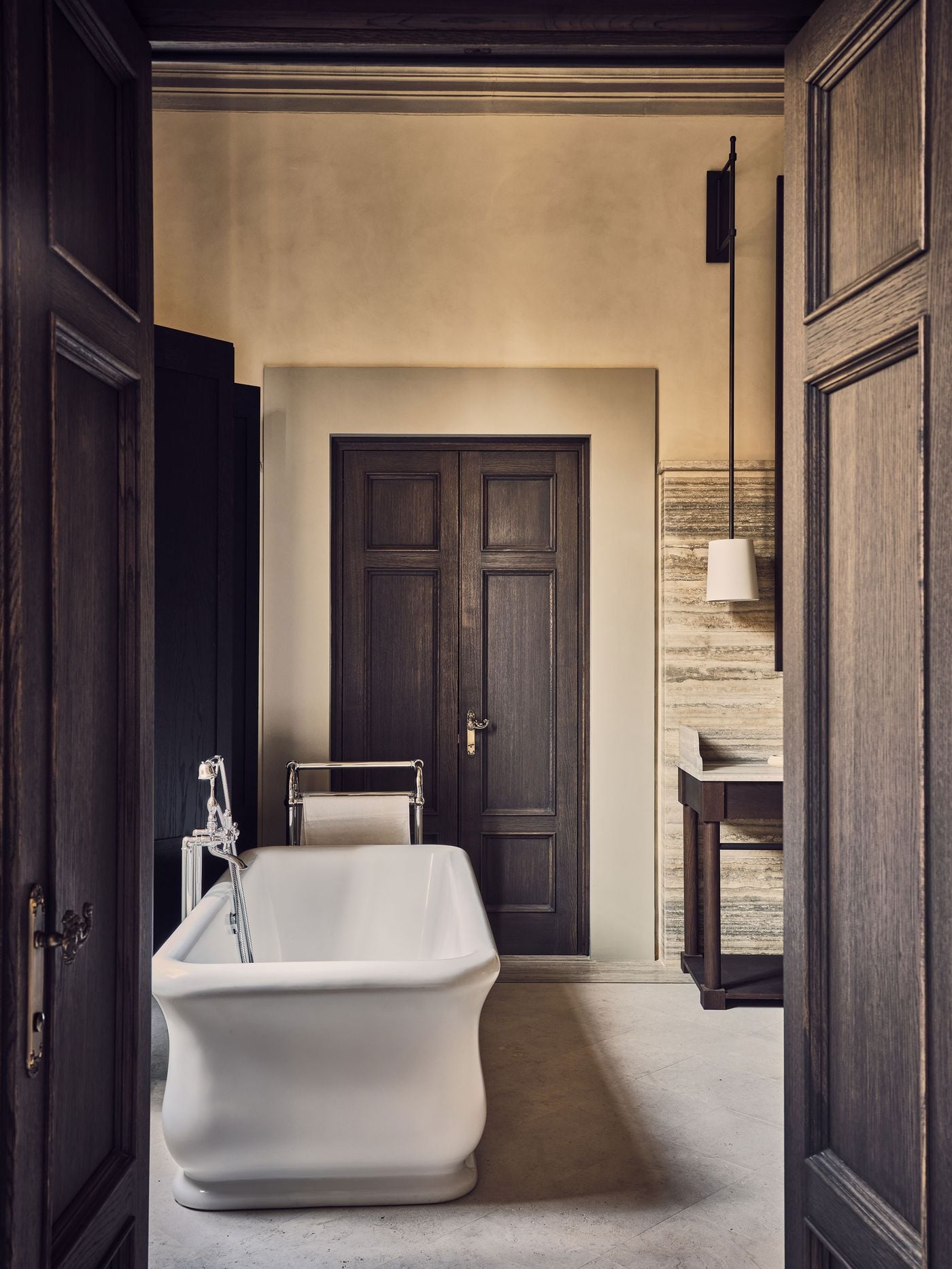
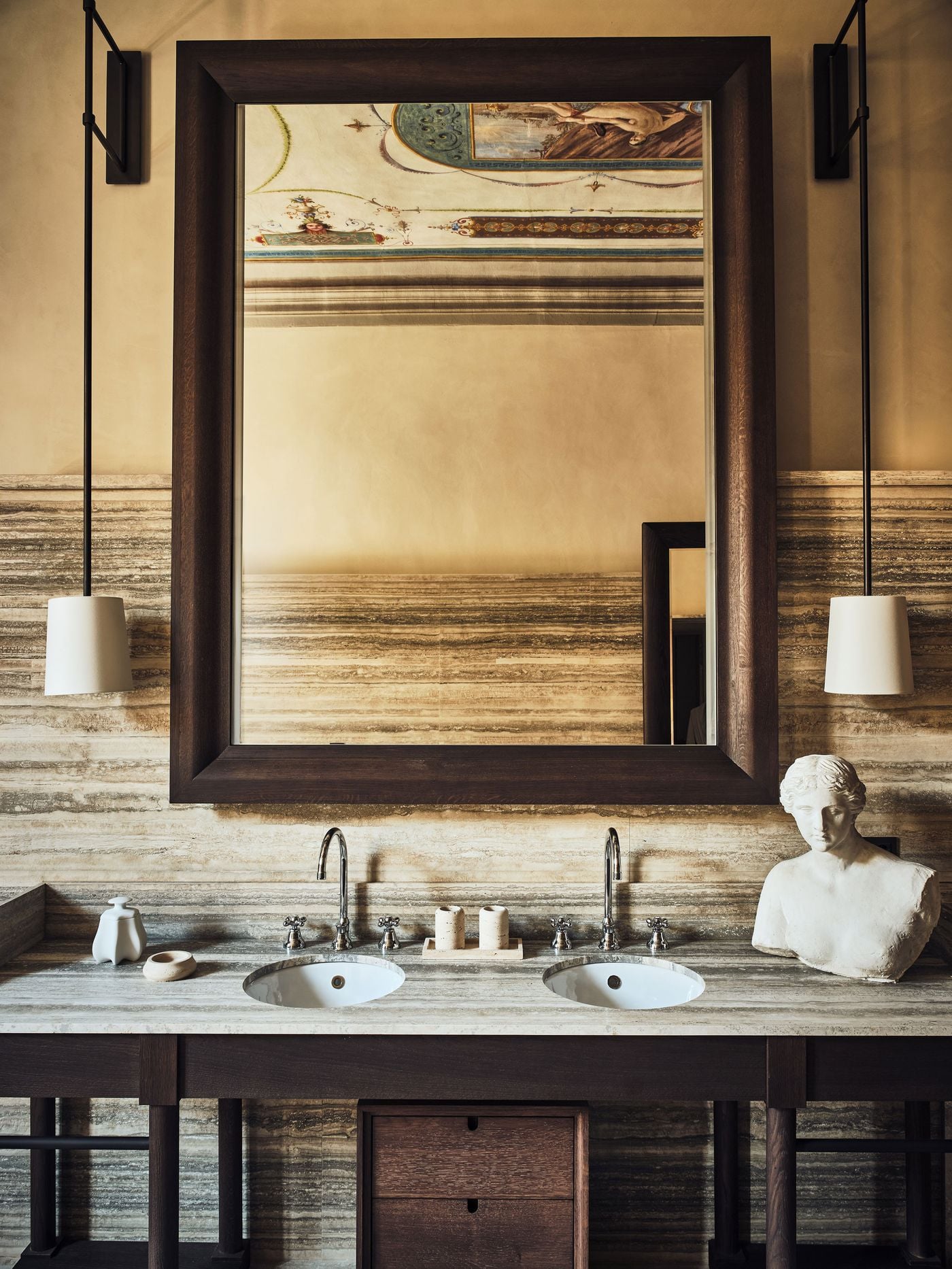
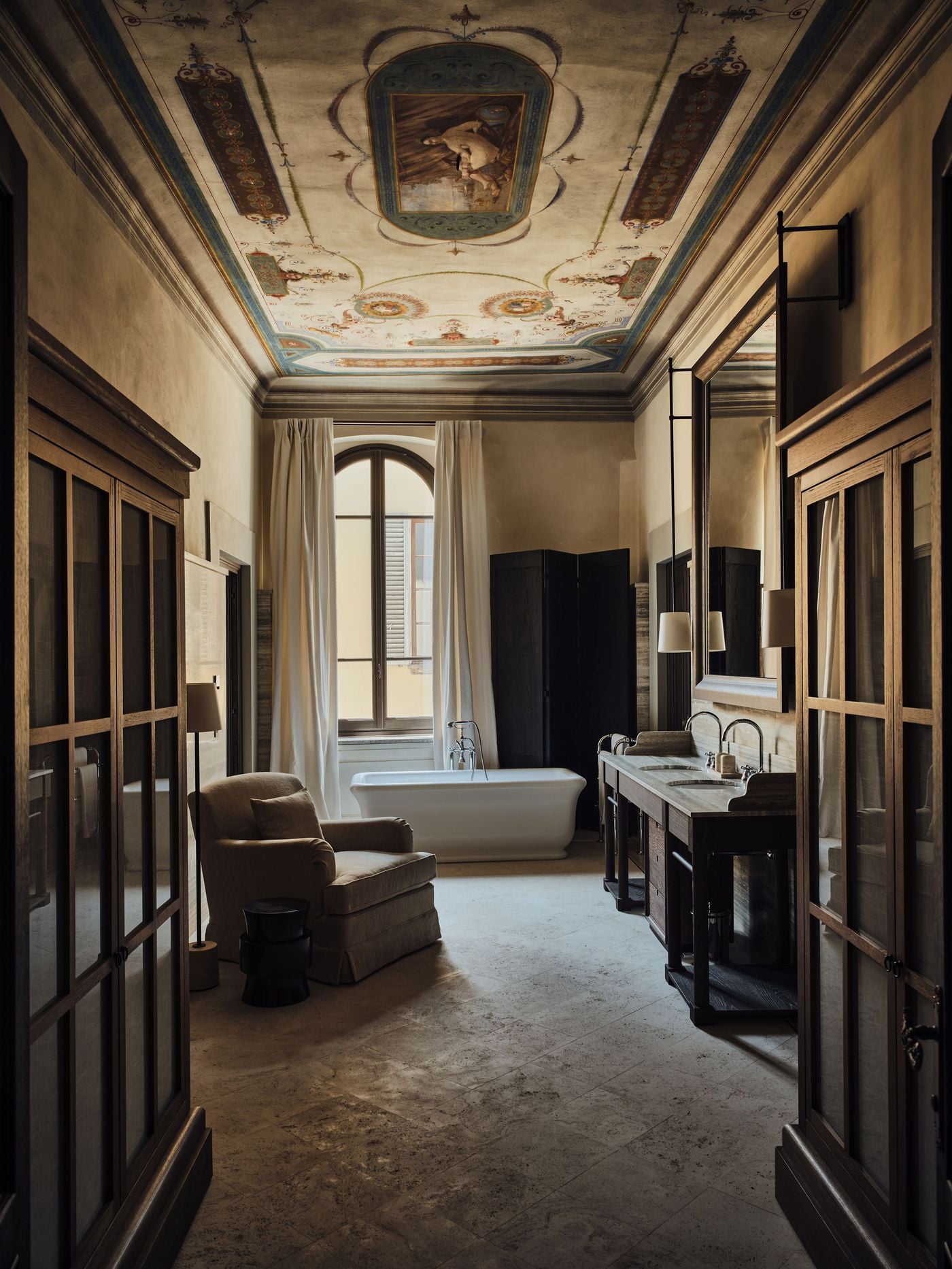
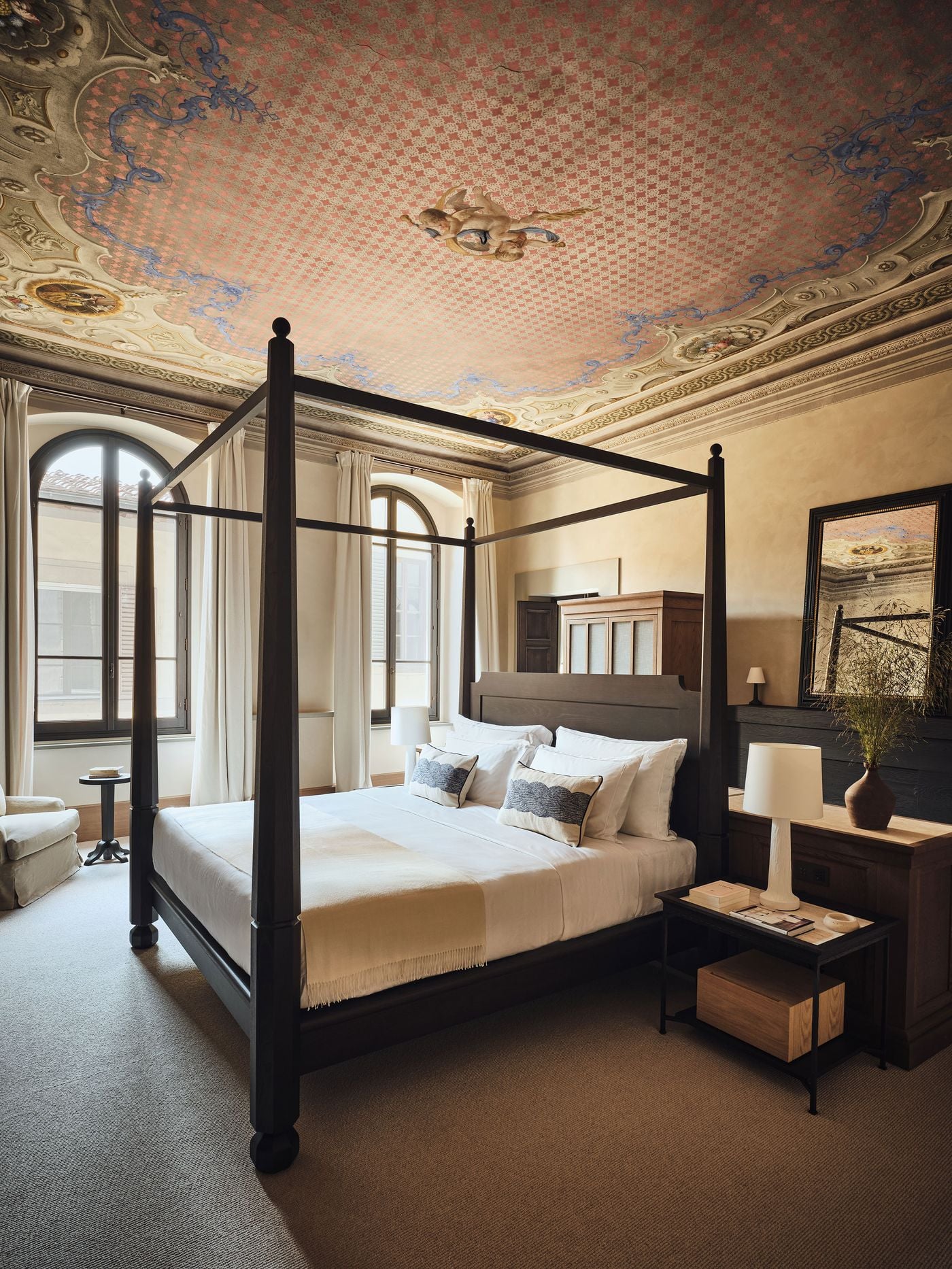
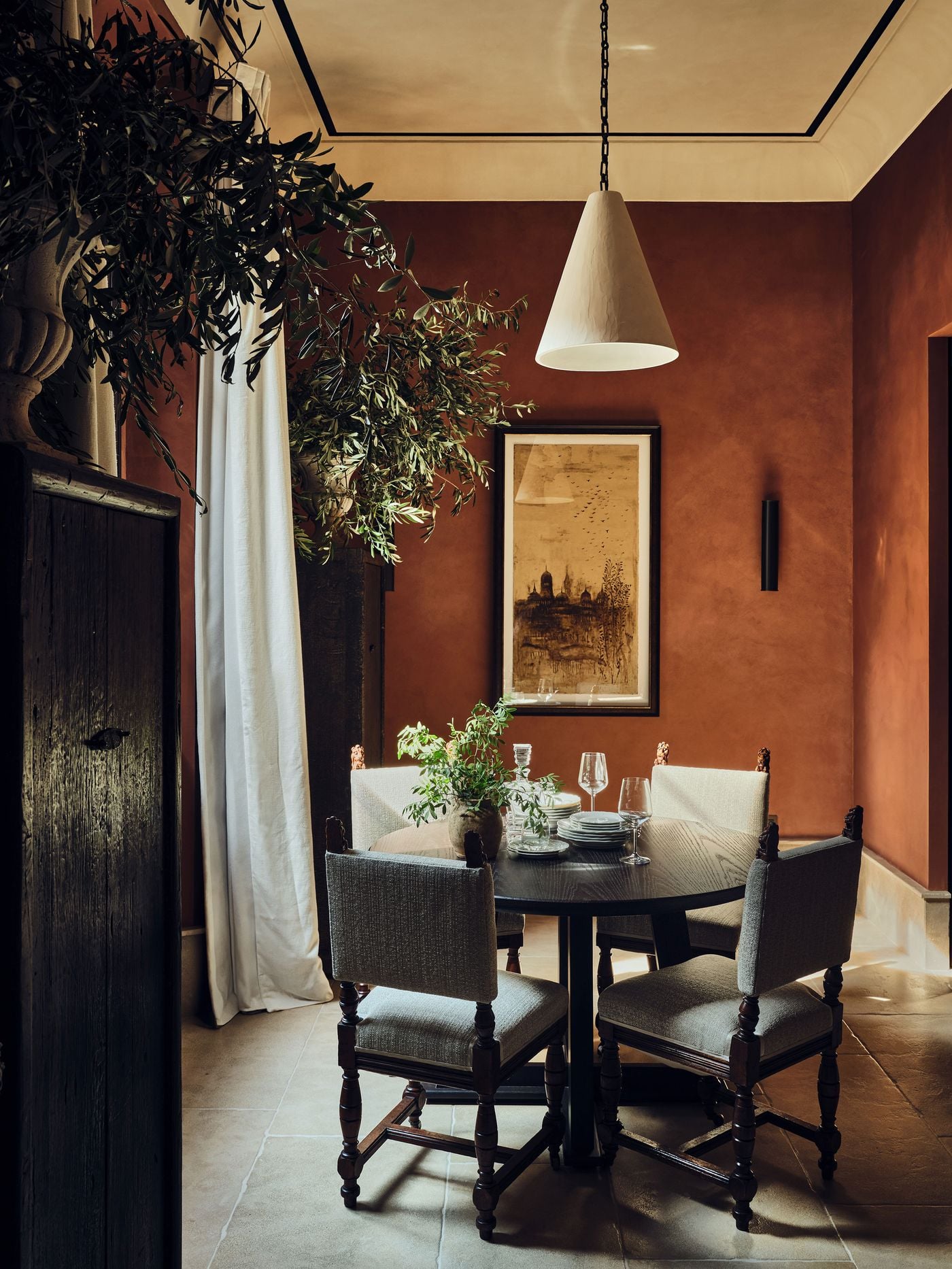
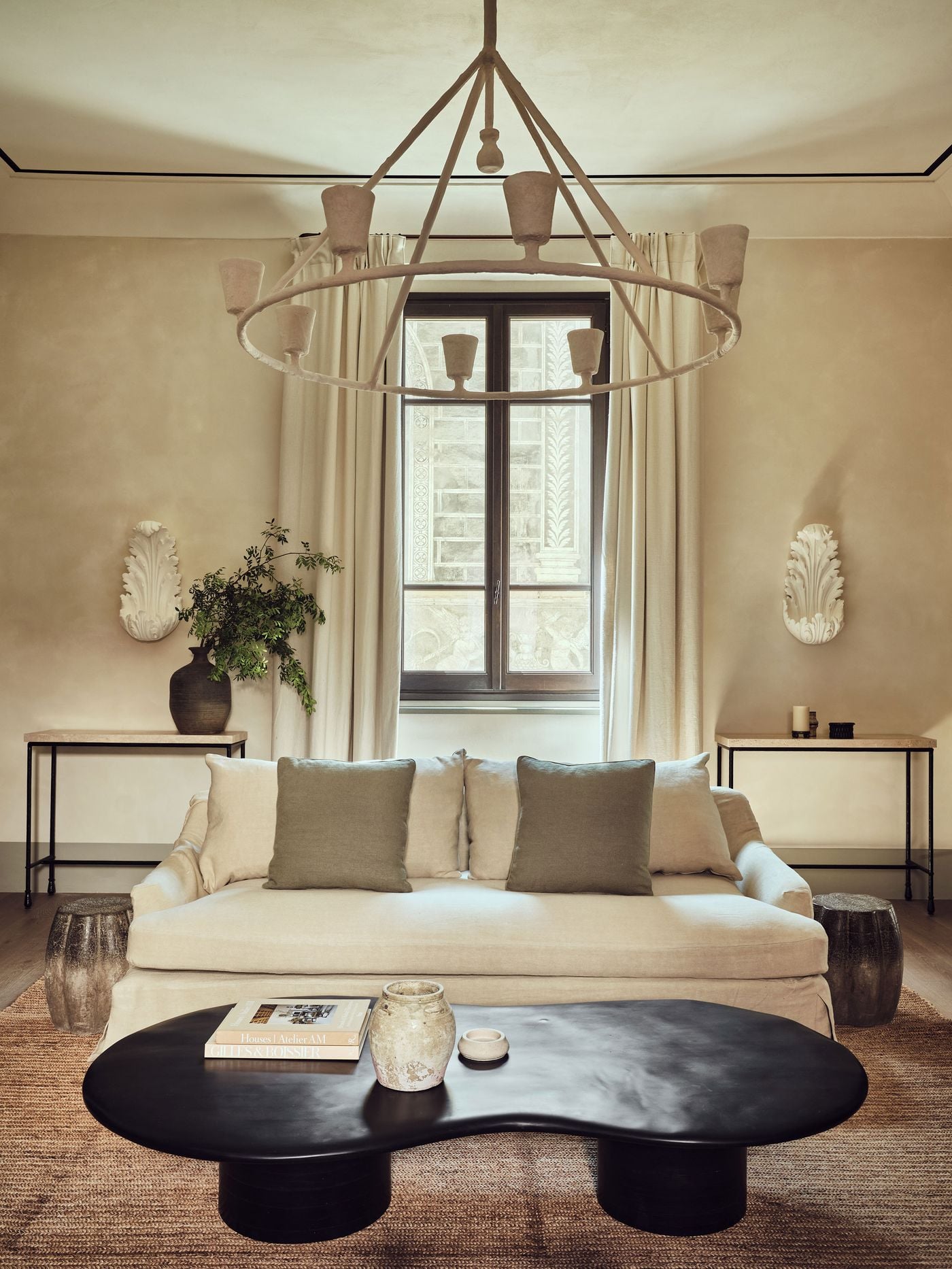
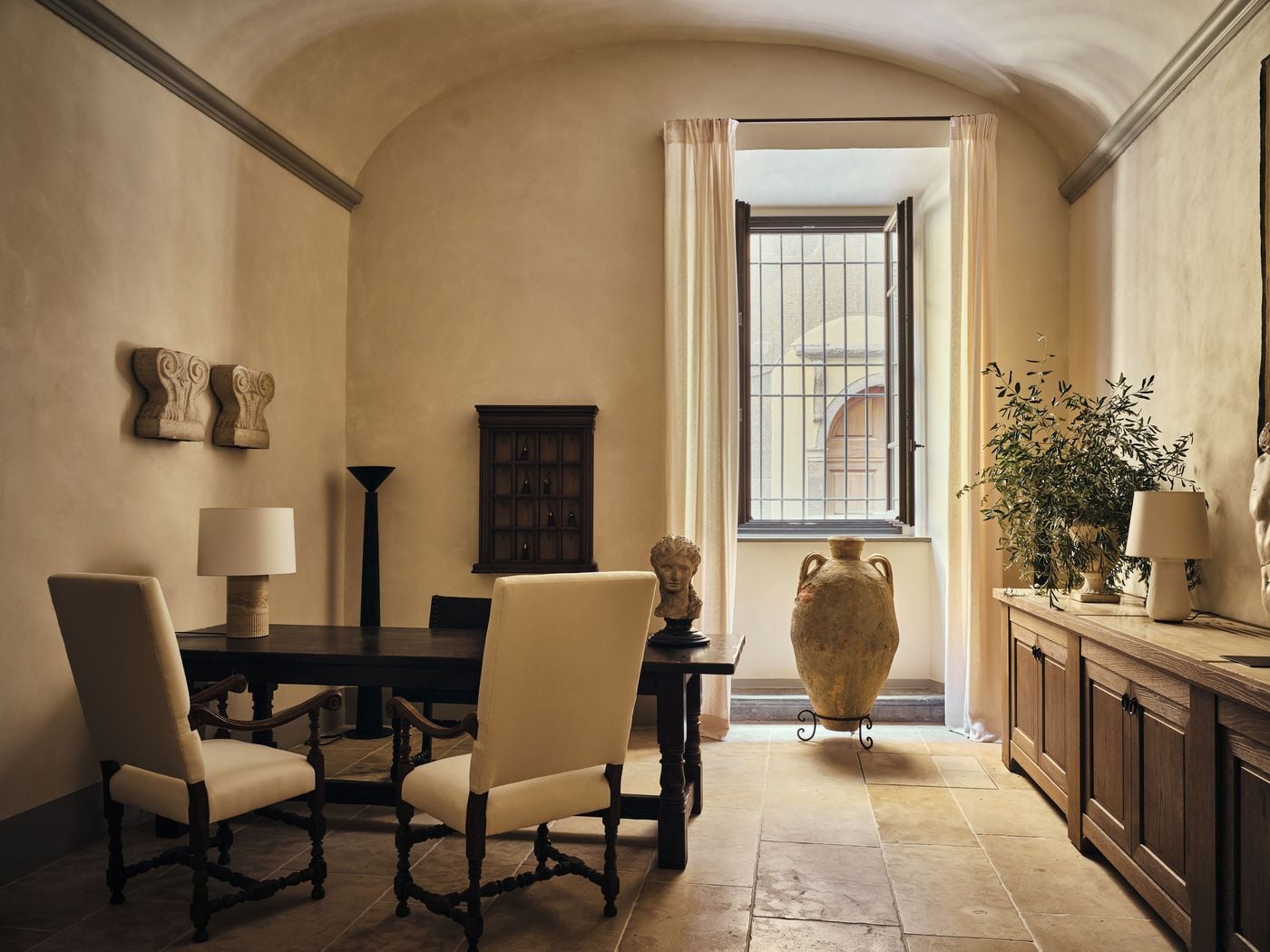
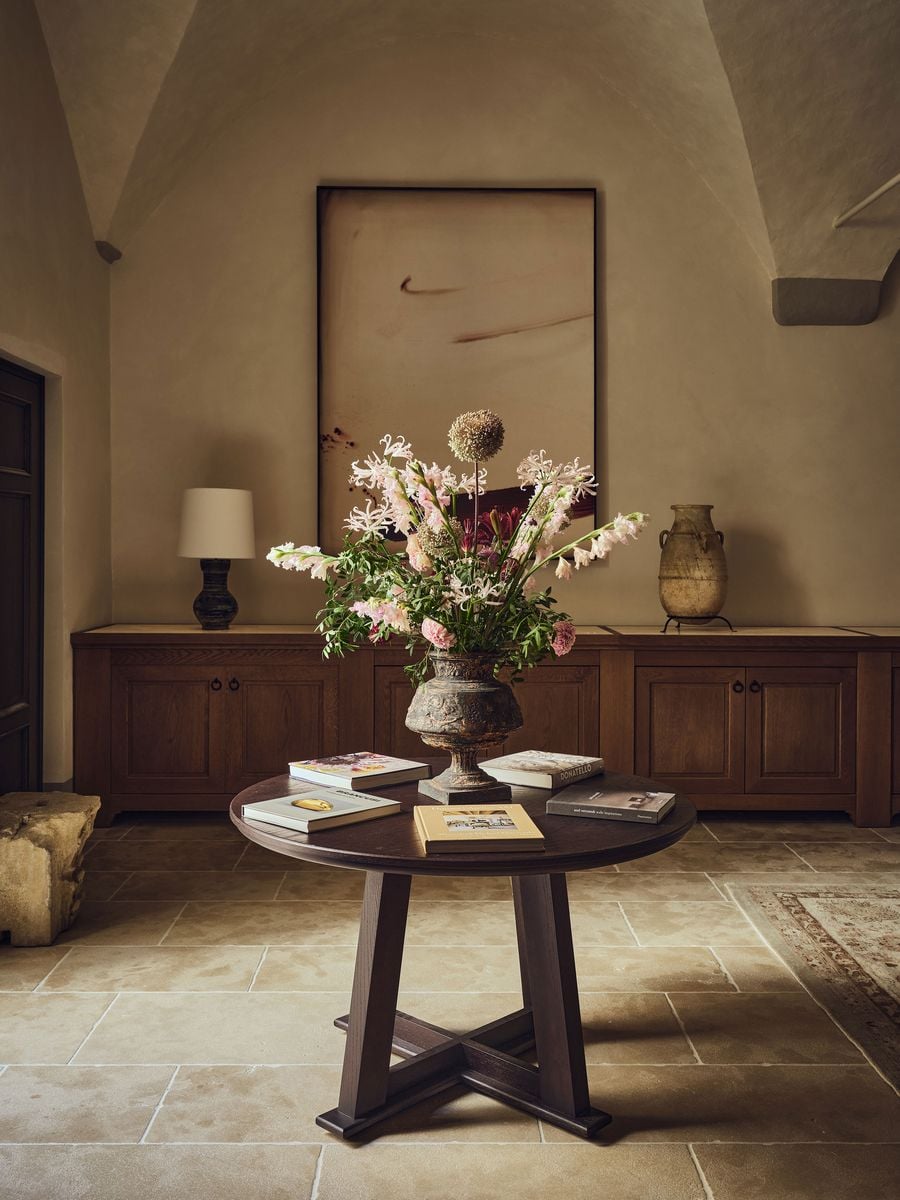
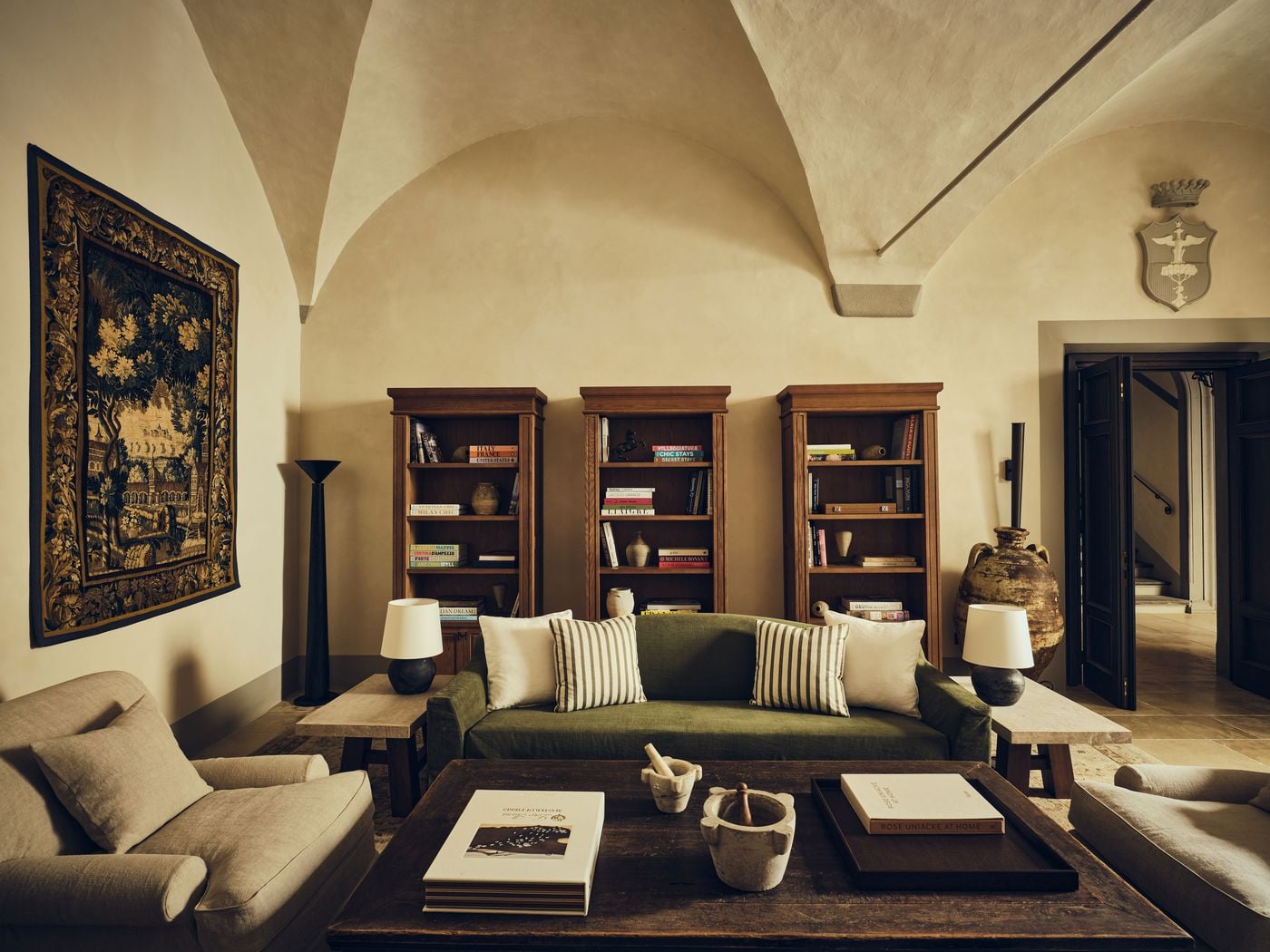
Central to the transformation was the desire to recover the palazzo’s architectural character while adapting its spaces to contemporary living. Gilles & Boissier approached the renovation with a light but assured touch, preserving and restoring original features including ornate coffered ceilings, frescoes and intricately carved woodwork. Rather than attempting to recreate a period interior, the designers introduced understated contemporary furnishings and a restrained material palette that allow the building’s Renaissance heritage to take centre stage. Traditional cotto terracotta flooring, local stone and Siena travertine in the bathrooms reinforce the connection to Tuscan craftsmanship, while warm neutral tones and natural textures lend the interiors a sense of continuity and calm.
Photography © Matthieu Salvaing.
Photography © Matthieu Salvaing.
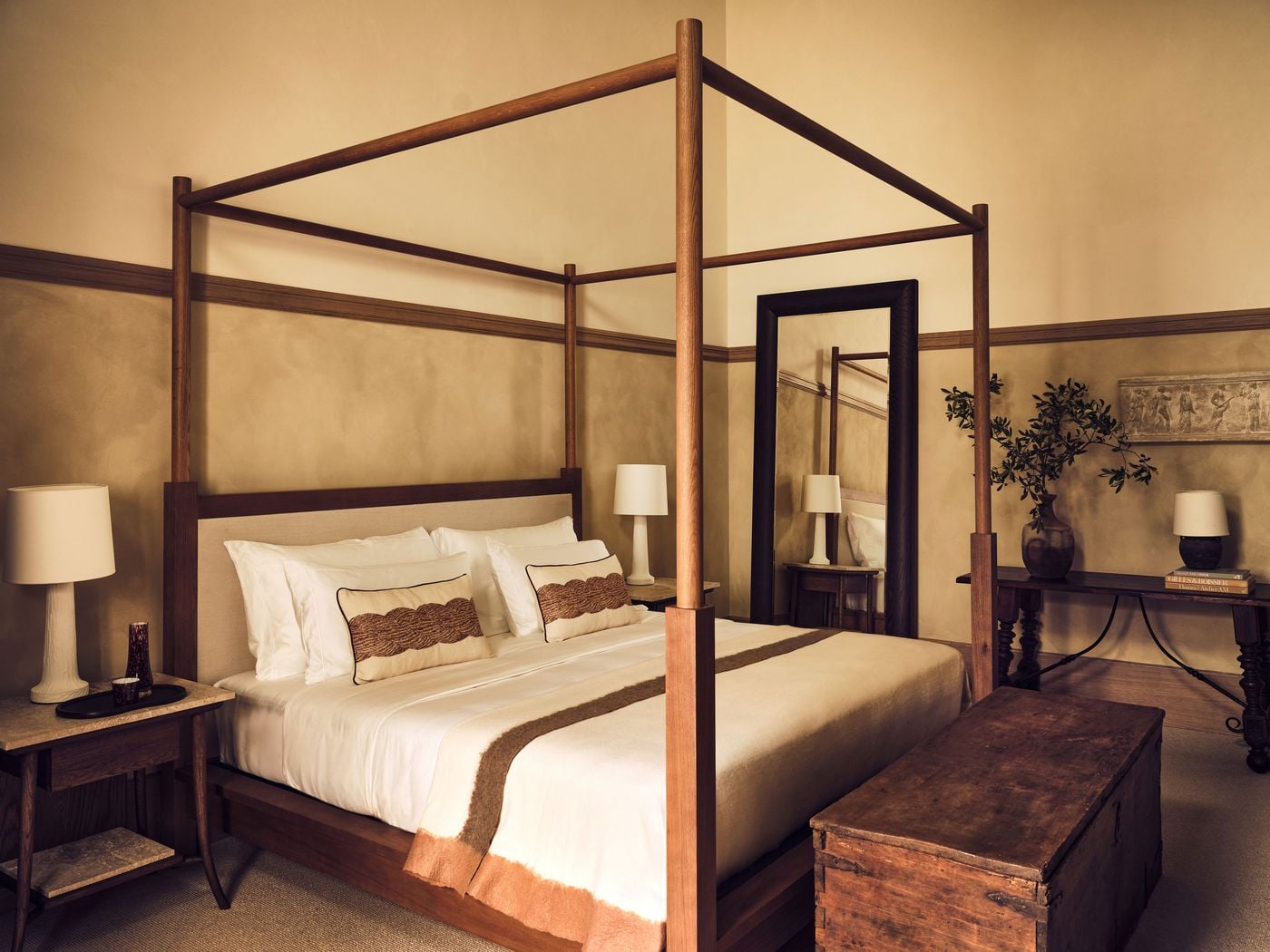
Photography © Matthieu Salvaing.
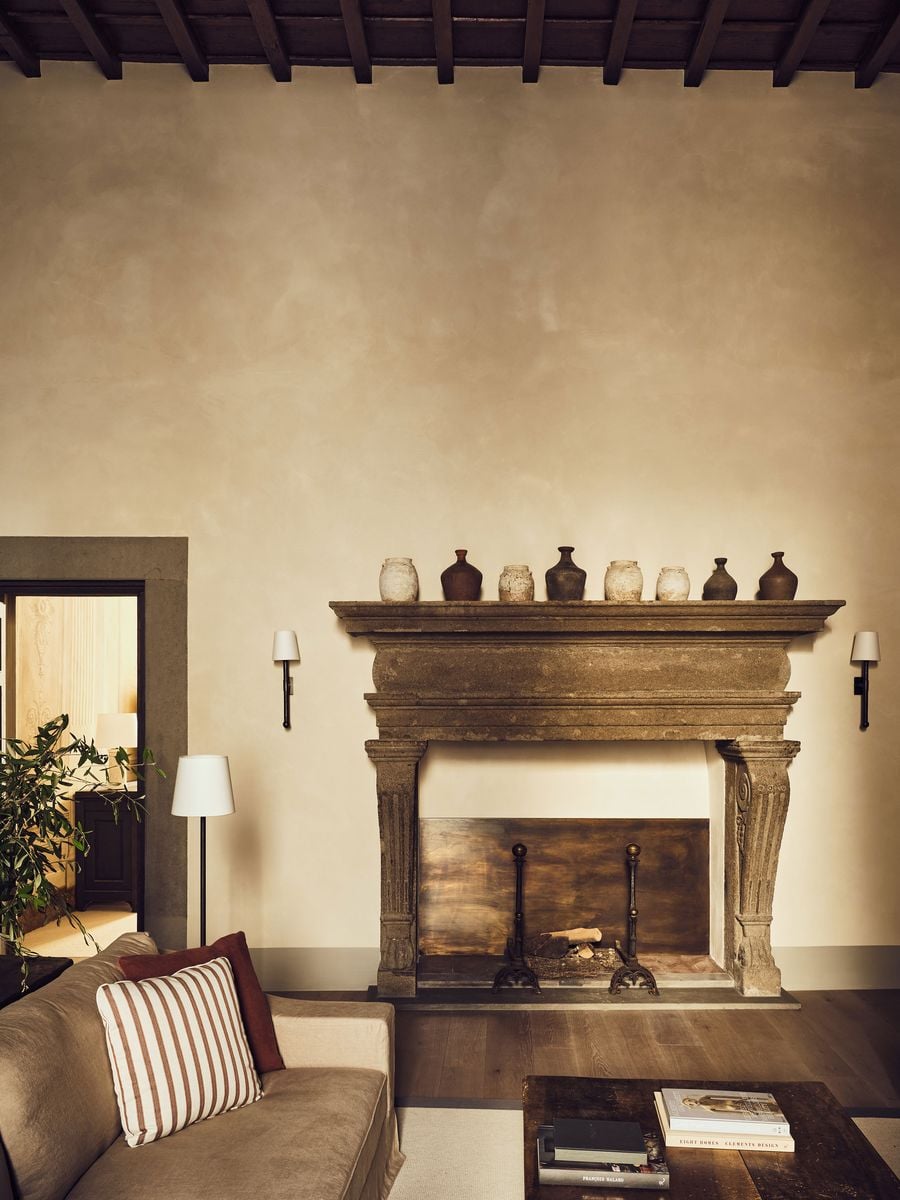
Photography © Matthieu Salvaing.
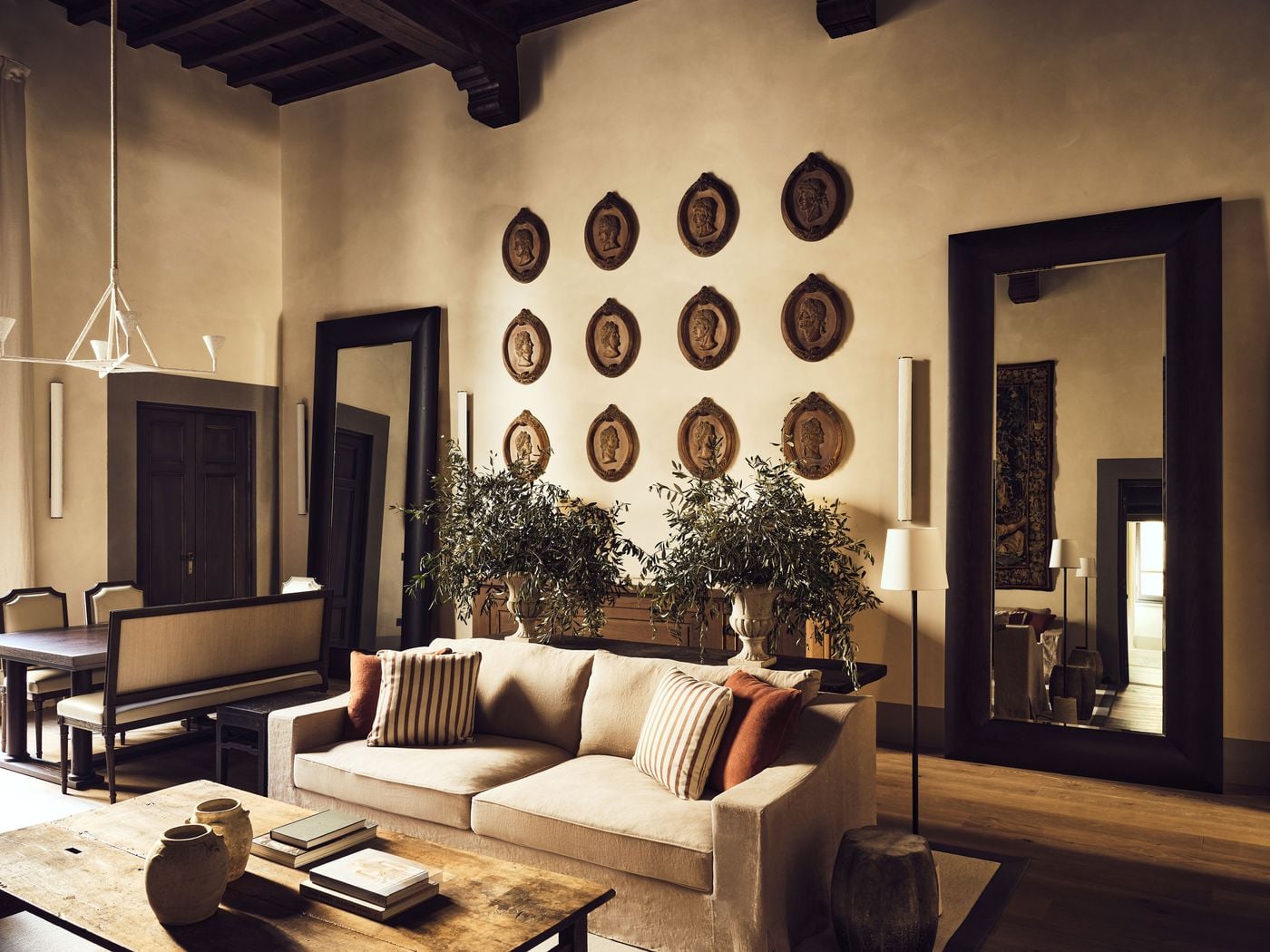
Photography © Matthieu Salvaing.
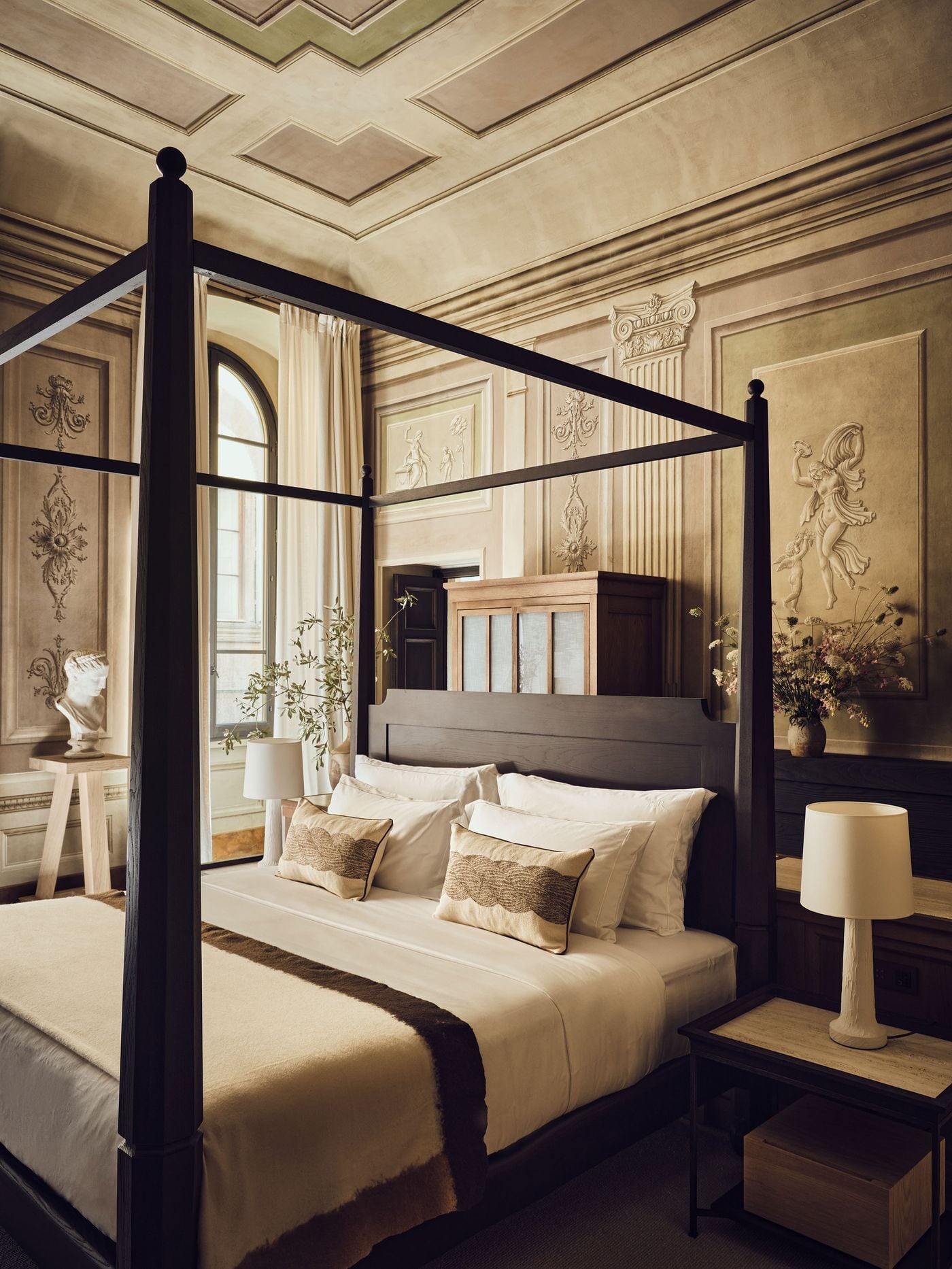
Photography © Matthieu Salvaing.
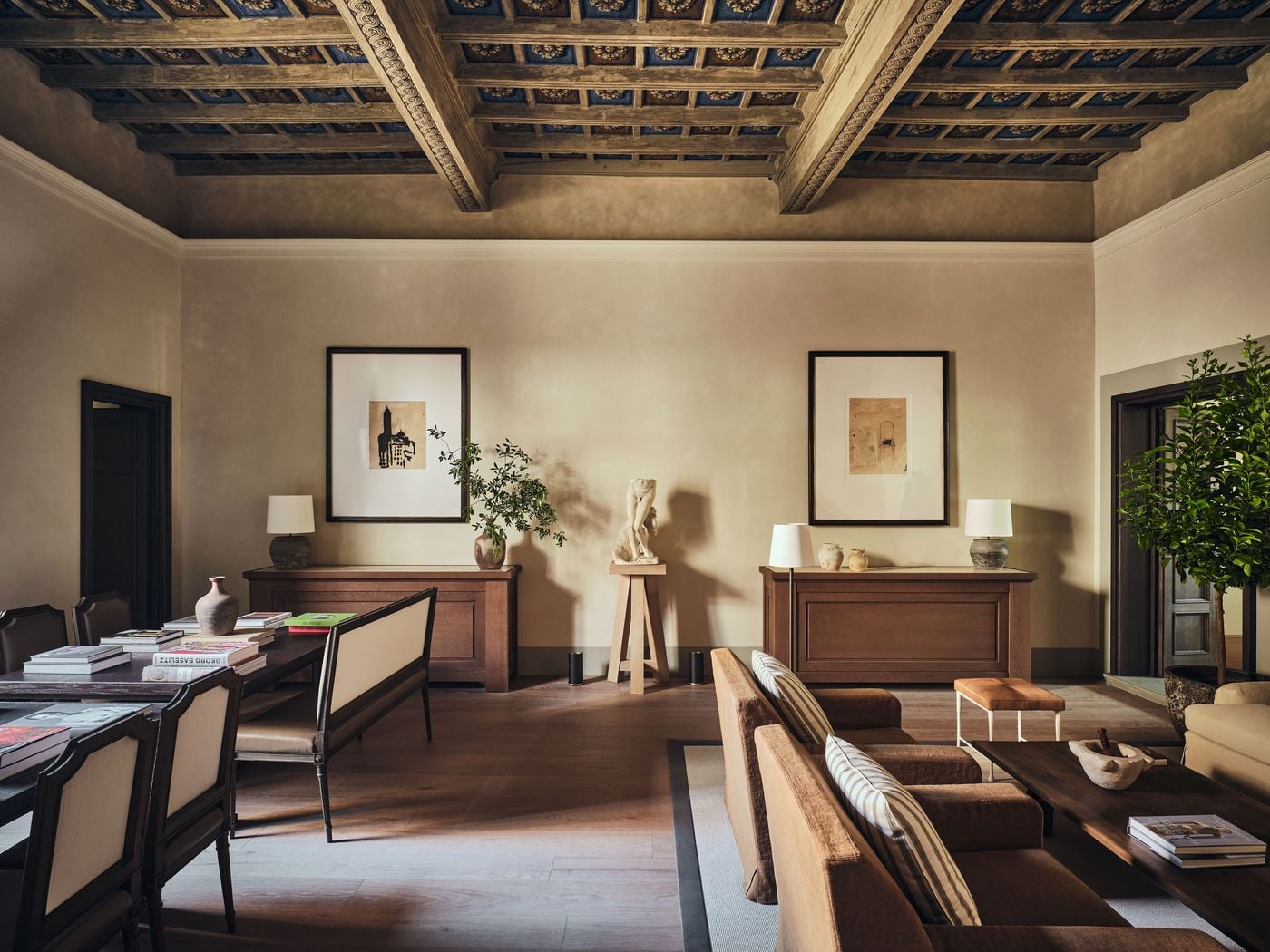
Photography © Matthieu Salvaing.
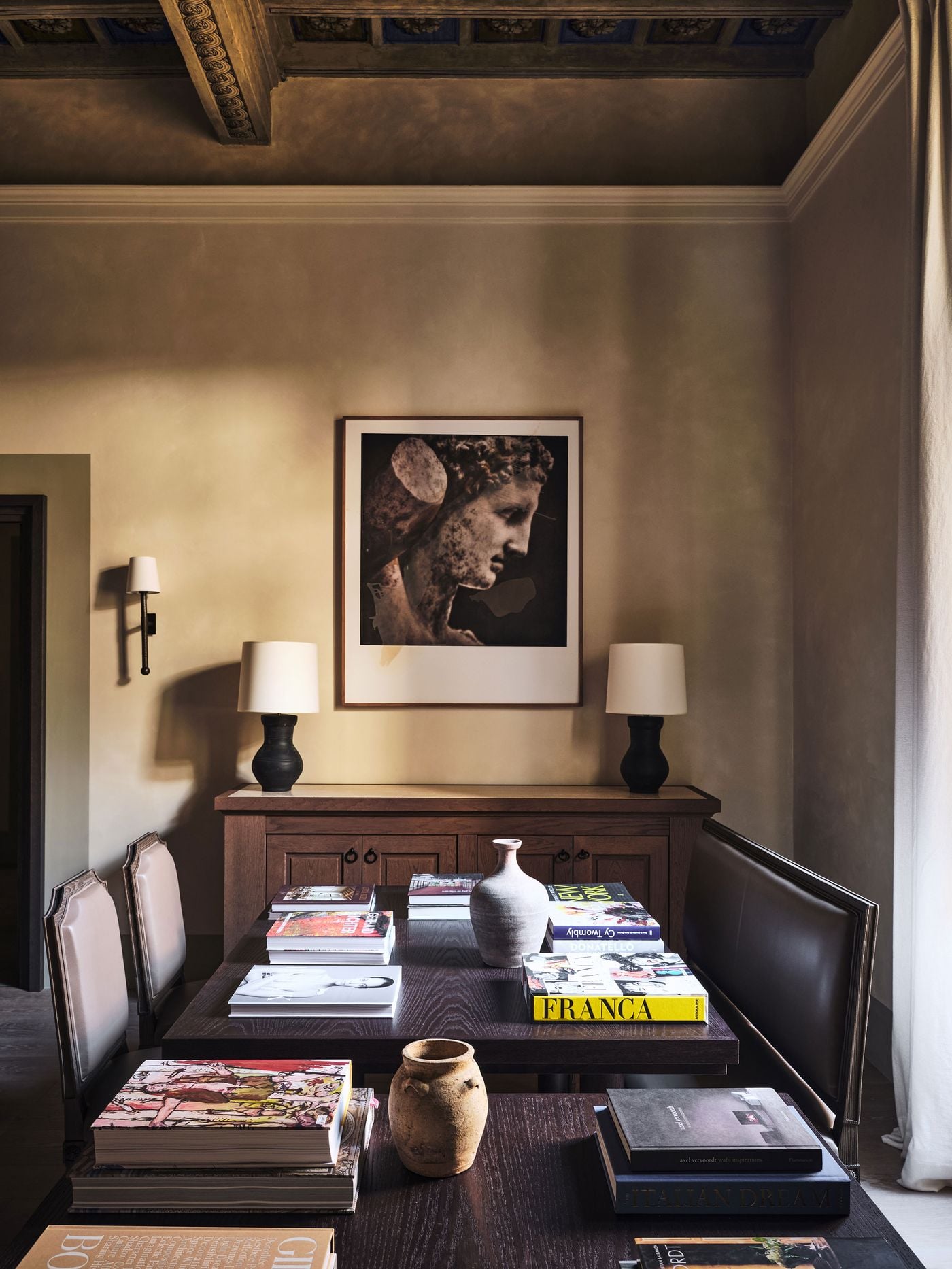
Photography © Matthieu Salvaing.
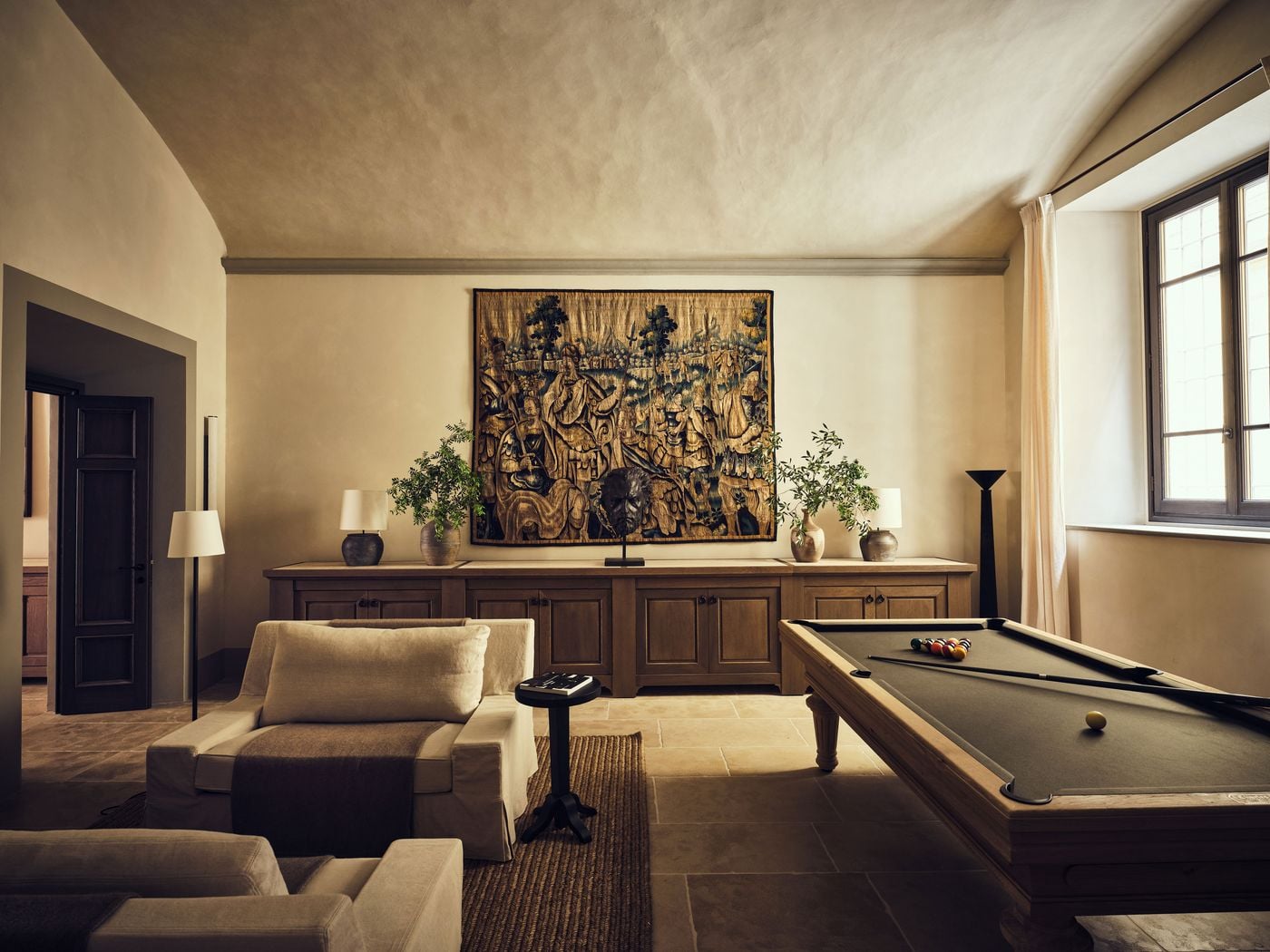
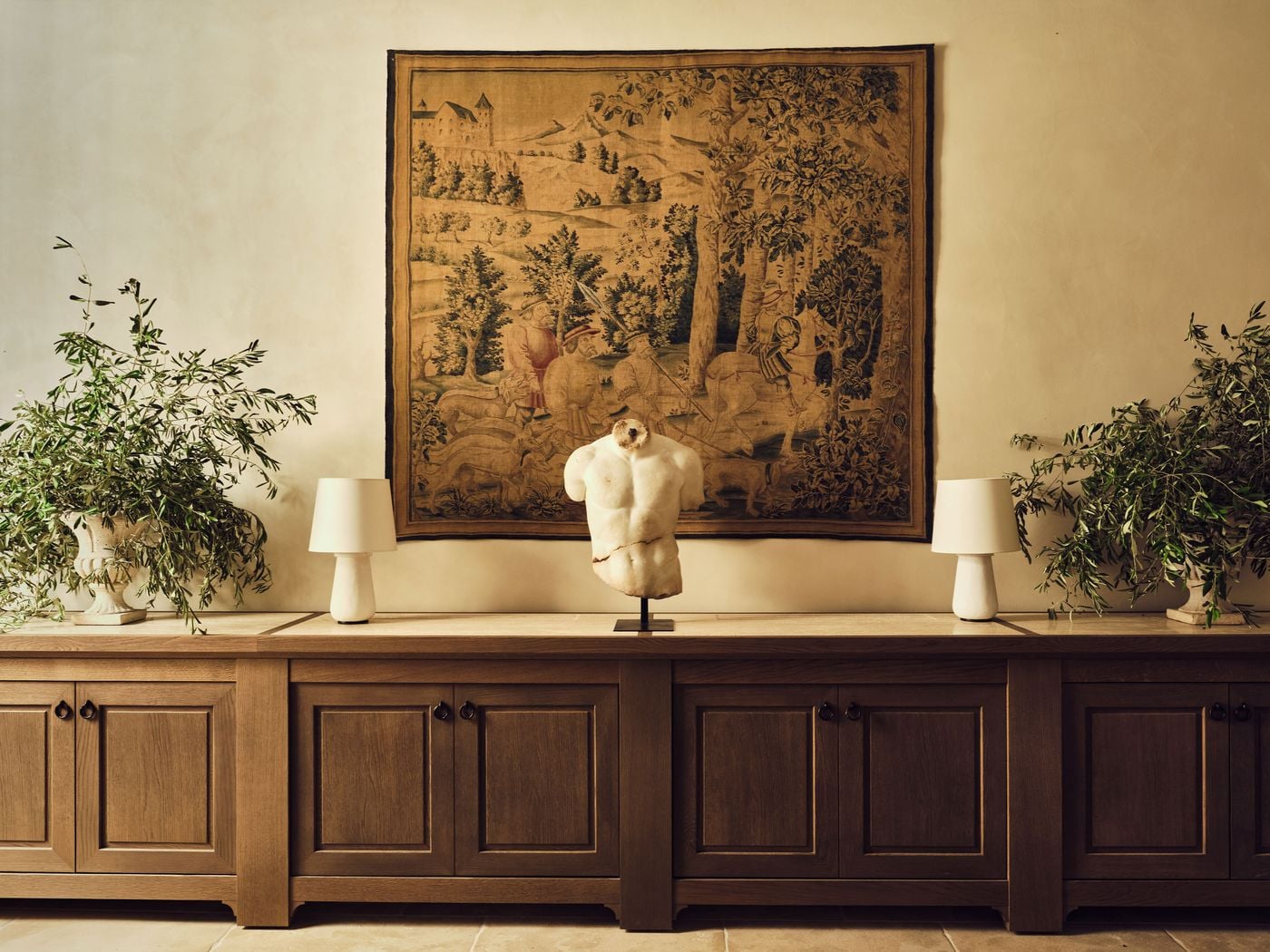
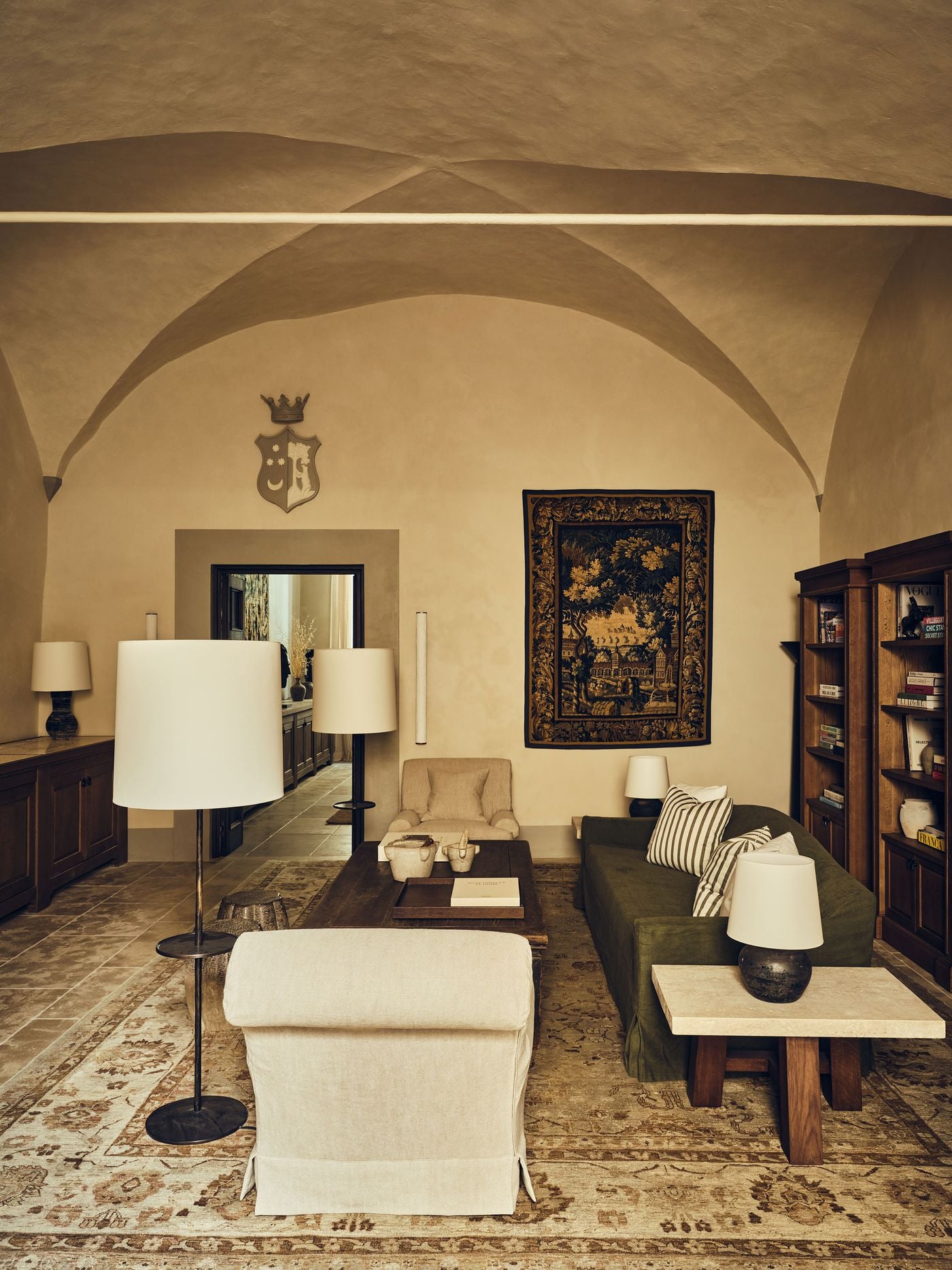
Equally important is the decorative layering that gives the property its distinctly residential atmosphere. Historic tapestries, antique furnishings and original artworks, many drawn from the Marcianos' personal collection, sit comfortably alongside contemporary furniture, bringing character and individuality to each apartment. An eclectic selection of art books and objects further softens the formality of the historic architecture, introducing the relaxed intimacy of a family home.
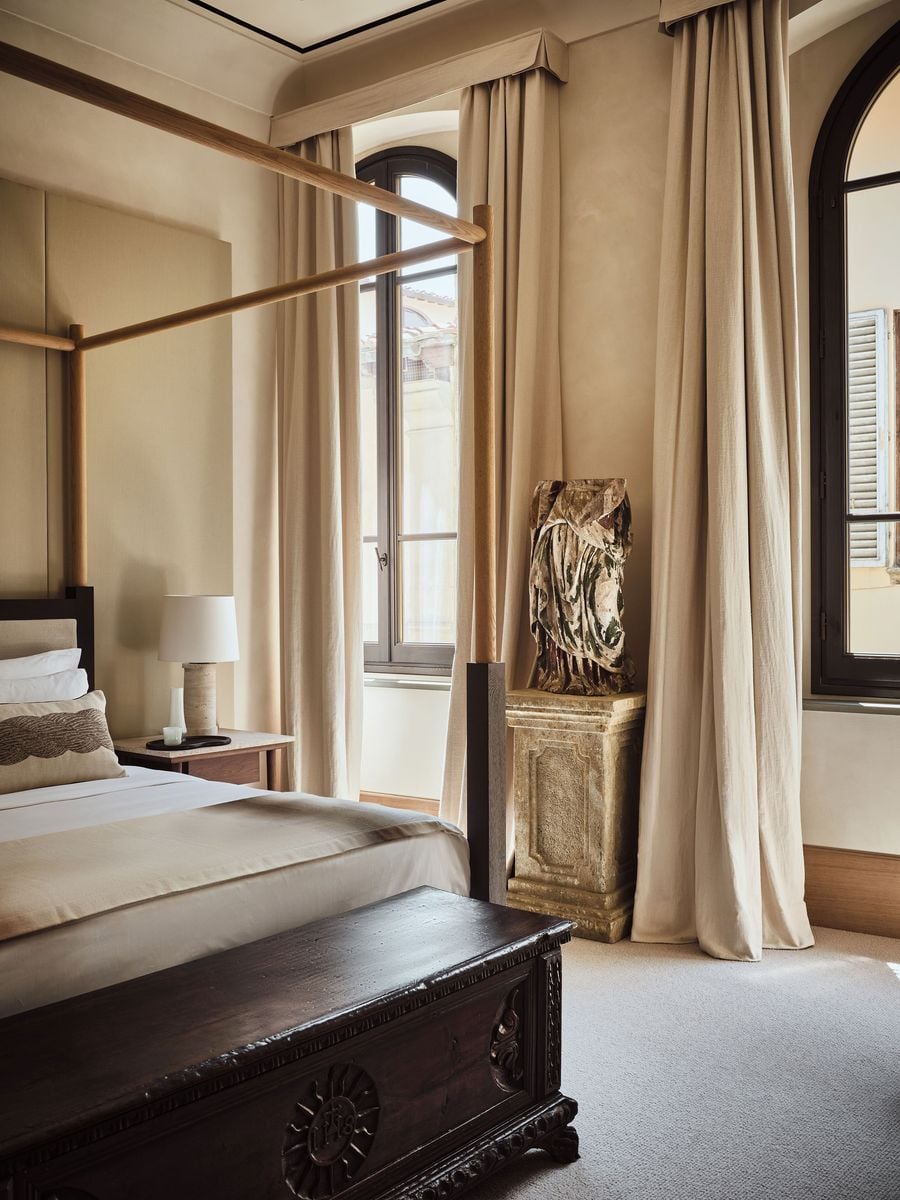
Photography © Matthieu Salvaing.
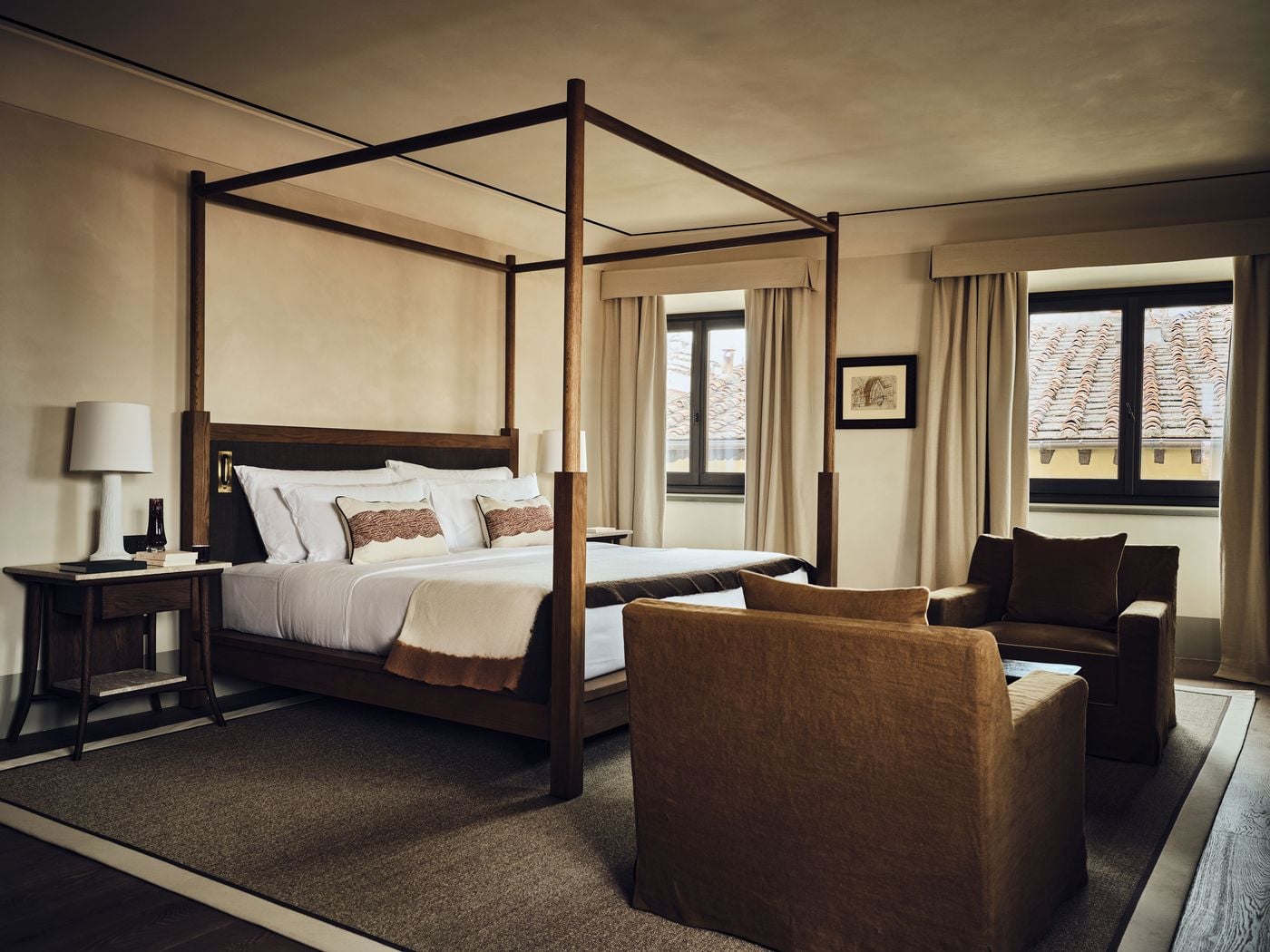
Photography © Matthieu Salvaing.
Photography © Matthieu Salvaing.
Photography © Matthieu Salvaing.
Photography © Matthieu Salvaing.
Photography © Matthieu Salvaing.
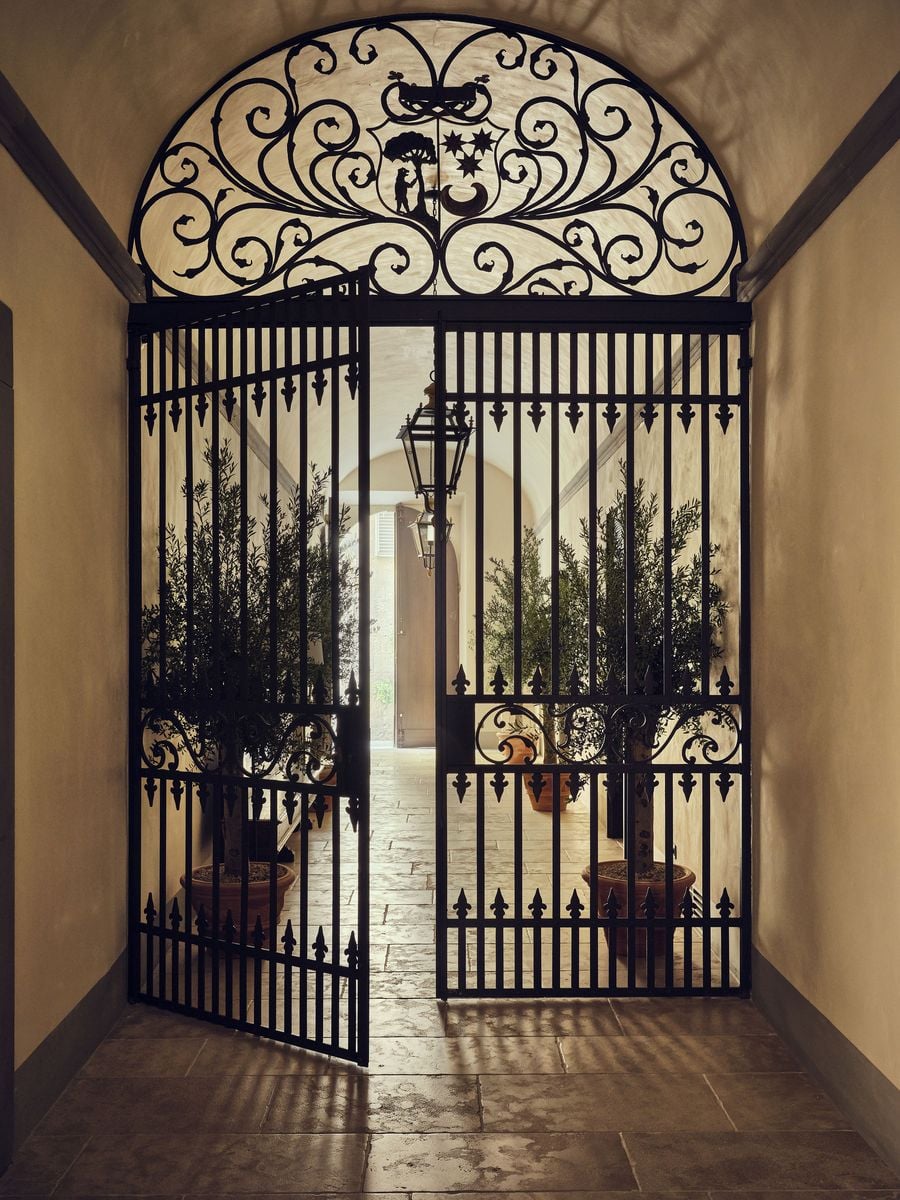
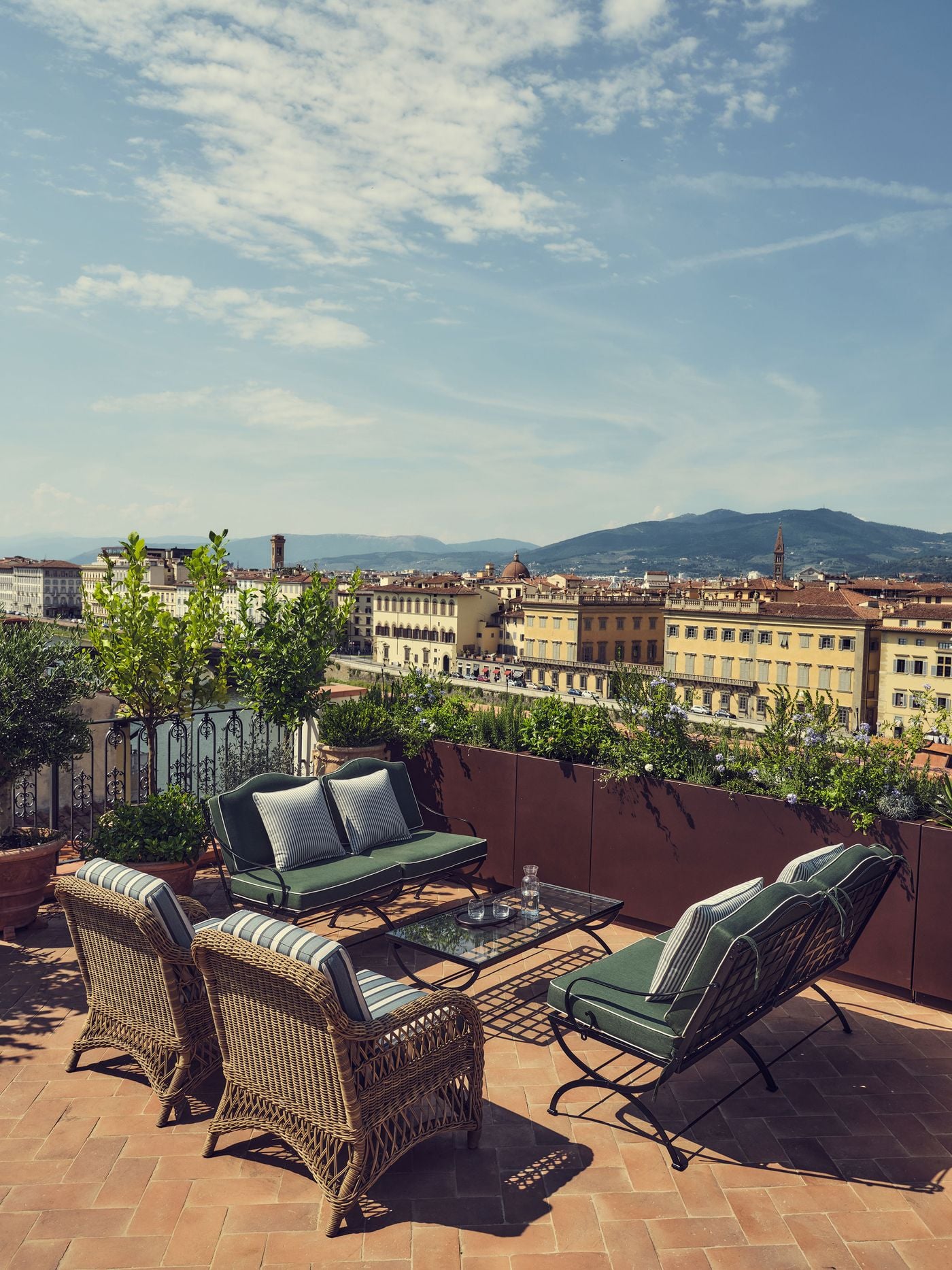
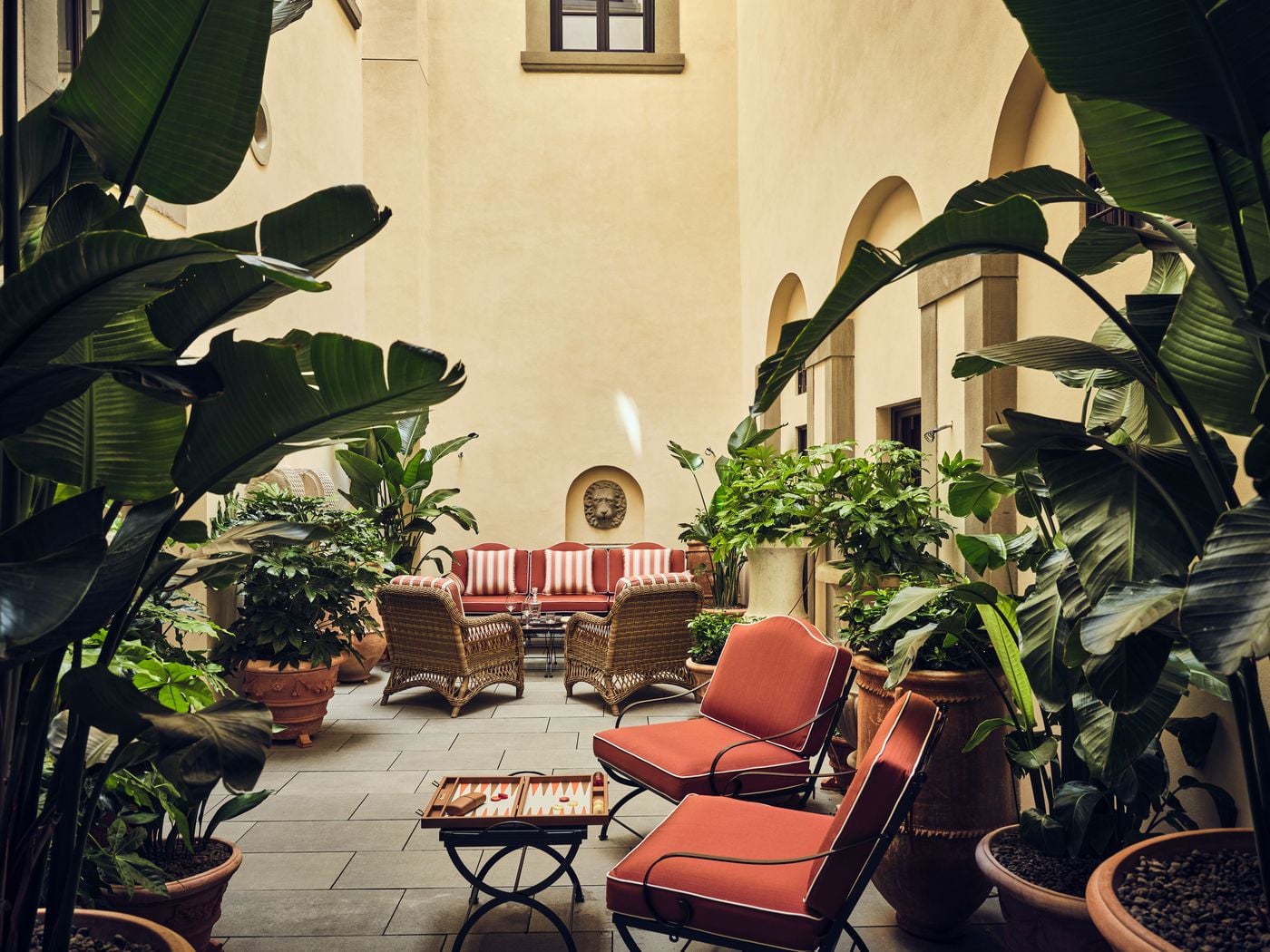
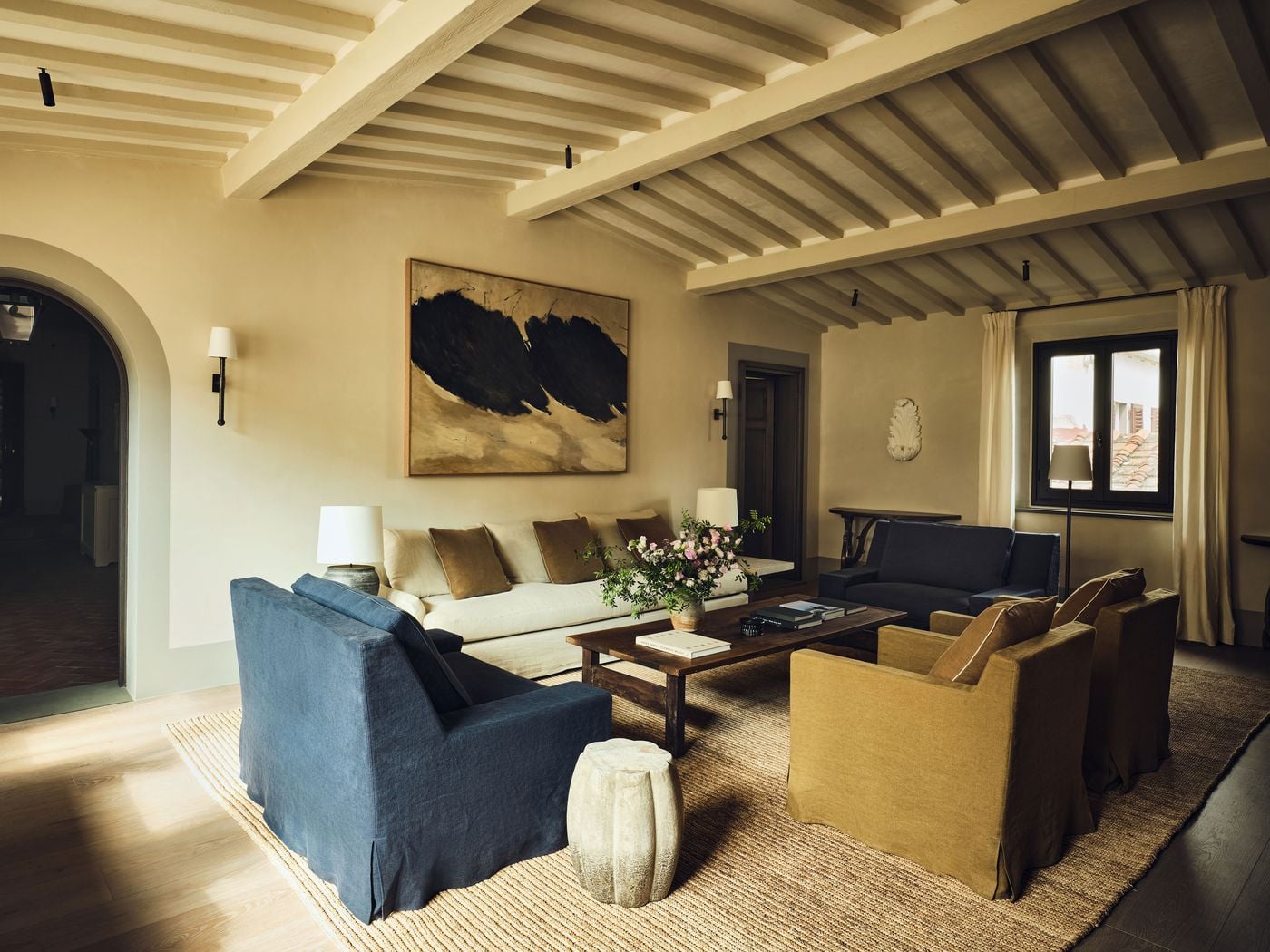
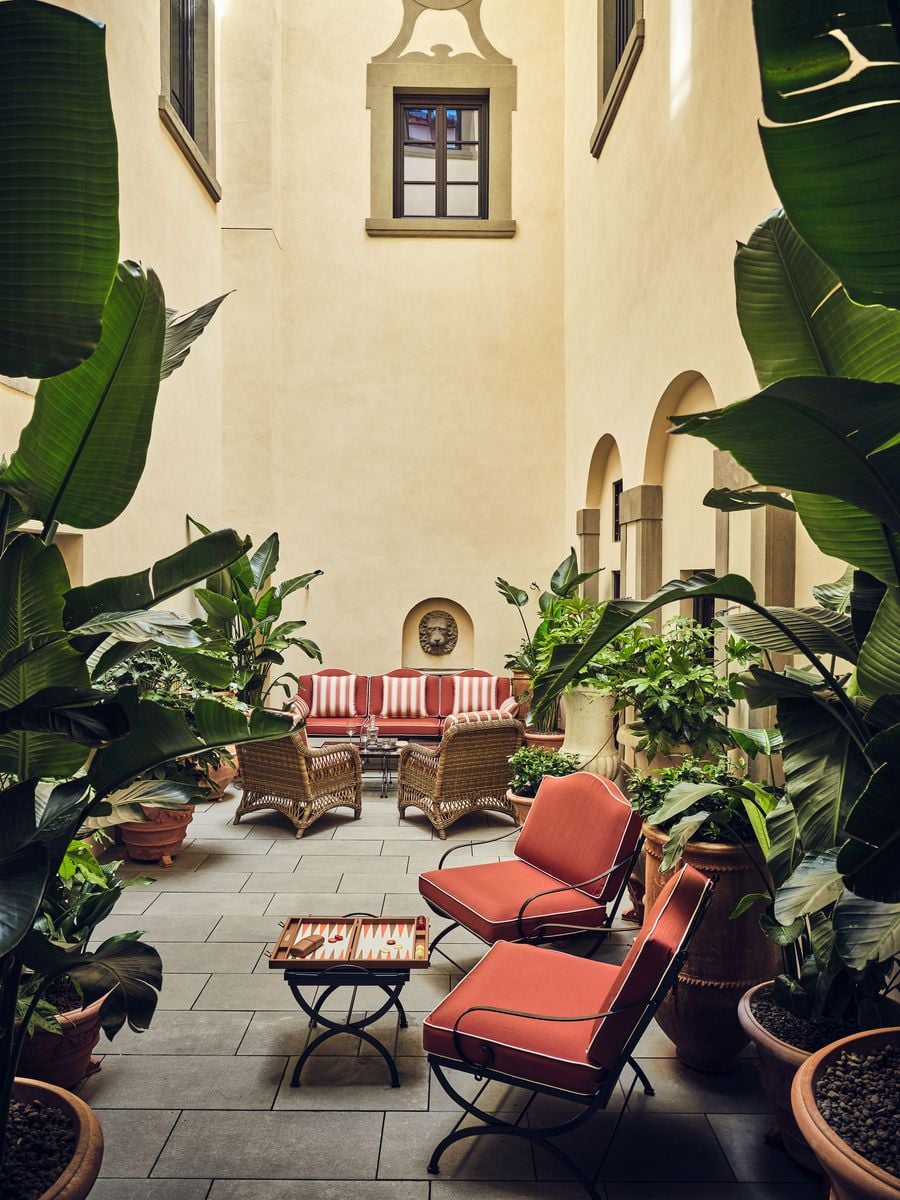
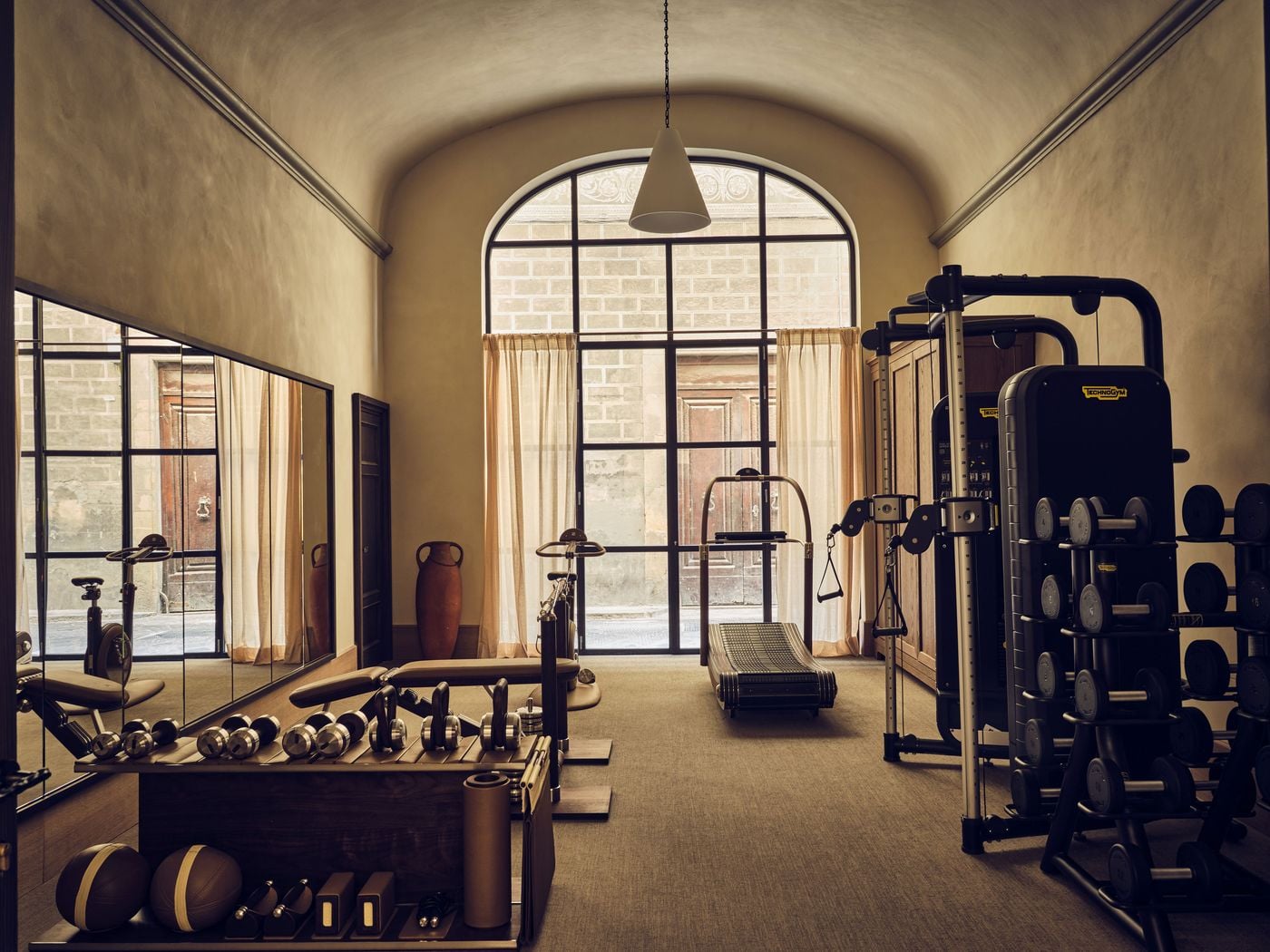
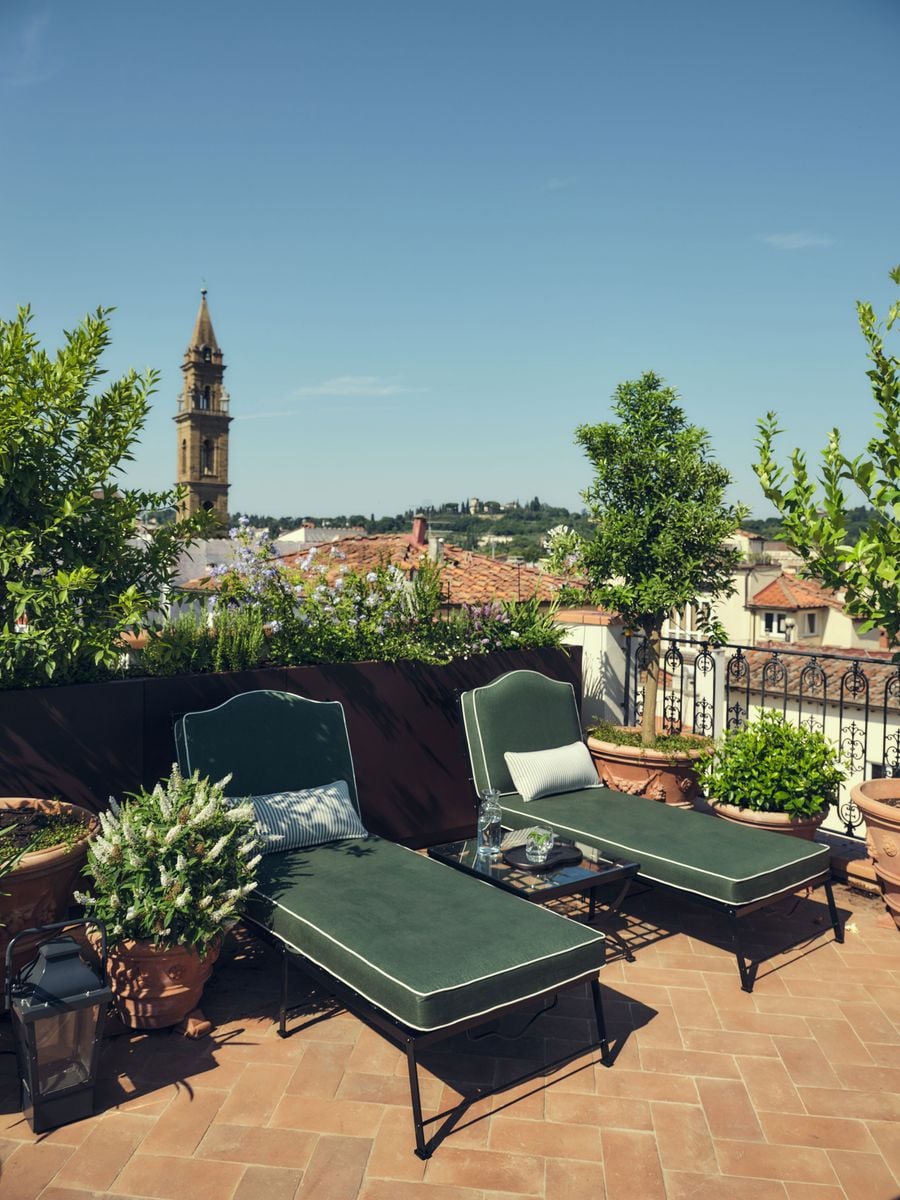
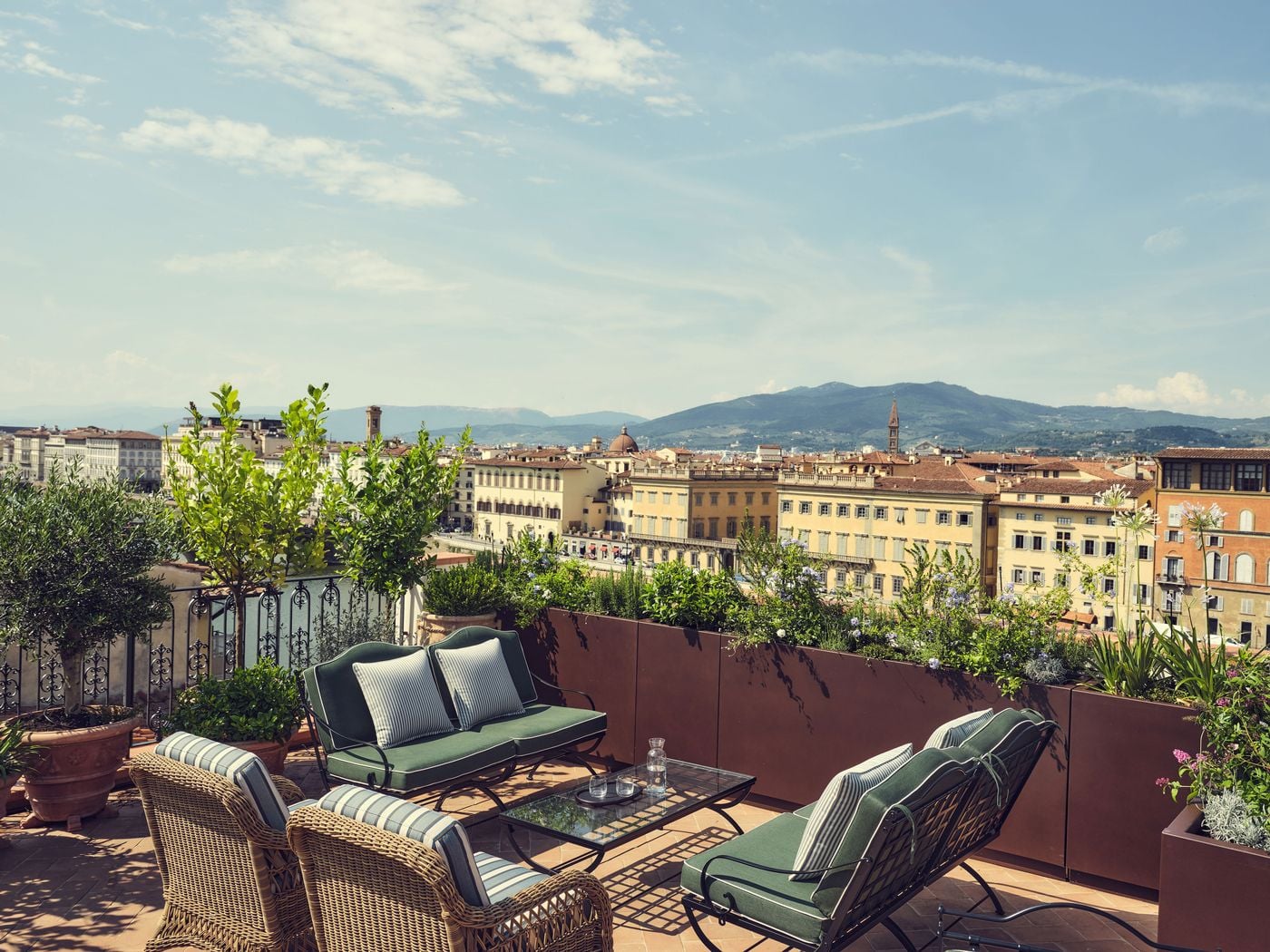
Ranging from one to three bedrooms, the six apartments offer generous living and dining areas, comfortable bedrooms and fully equipped kitchens, with the three-bedroom duplex also featuring a private rooftop terrace overlooking Santo Spirito and Palazzo Pitti. On the ground floor, a series of shared spaces extends the residential experience beyond the apartments: a lounge, a library devoted to Italy, art and design, and a games room with a billiard table provide places to relax or socialise, while a well-equipped gym caters to more active routines. There is also a bar that invites guests to mix their own drinks, and a verdant courtyard, watched over by a lion's-head fountain, which offers a secluded retreat from the city.
The emphasis on residential independence does not come at the expense of hotel service. Breakfast is prepared to order by a housekeeper, who discreetly arrives at the requested time to cook and set the table; for other meals, guests can order from nearby Trattoria Cammillo or arrange for a private chef. A dedicated house manager attends to the day-to-day details of each stay, while the round-the-clock concierge can tailor experiences to individual interests, from private cultural visits and wine tastings at Tuscan estates to tennis at the Marcianos’ nearby property.
Photography © Matthieu Salvaing.
Photography © Matthieu Salvaing.
Photography © Matthieu Salvaing.
Photography © Matthieu Salvaing.
Ultimately, La Réserve Firenze owes its appeal to the way architecture, personal taste and discreet hospitality come together to create the feeling of a genuine Florentine home. In a city where history is ever-present, it offers the pleasure of inhabiting that history rather than merely admiring it.
Photography © Matthieu Salvaing.
Photography © Matthieu Salvaing.
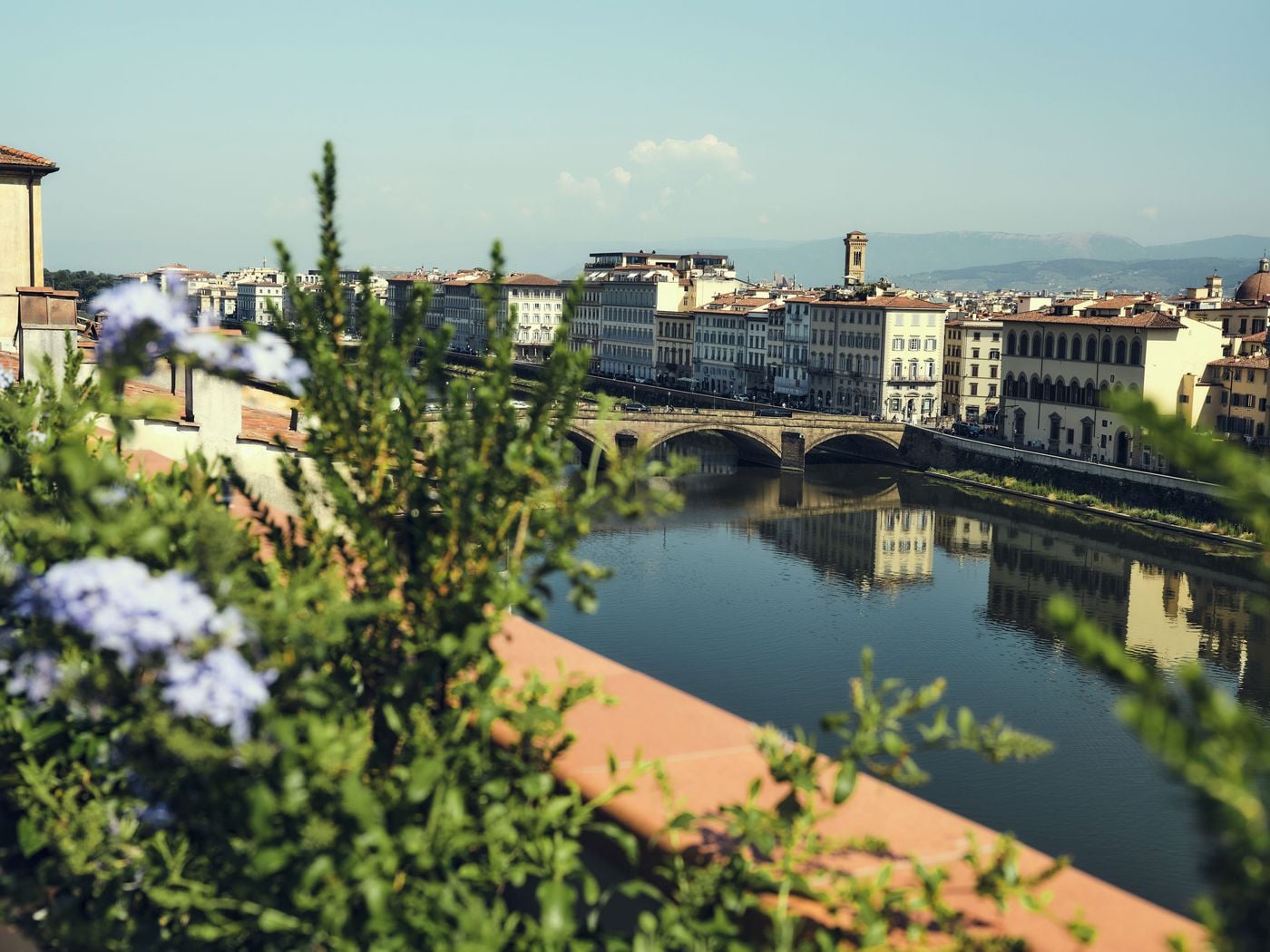
Photography © Matthieu Salvaing.