11 Rue Camille Crespin du Gast, Paris, France
Location
Since appearing on Top Chef in 2020, Diego Alary has become one of France's most recognisable digital chefs, his rapid-fire recipe videos attracting millions of followers across social media. With SaltoBar, his first restaurant in Paris, created in partnership with seasoned restaurateur Christophe Juville, Alary’s online universe finally gains a physical address. Designed by architecture and design studio PANELA, the restaurant translates the directness and apparent simplicity of his cooking into an equally straightforward interior, where humble materials and familiar decorative elements are elevated through precise execution.
Photography by Mathilde Hiley.
Photography by Mathilde Hiley.
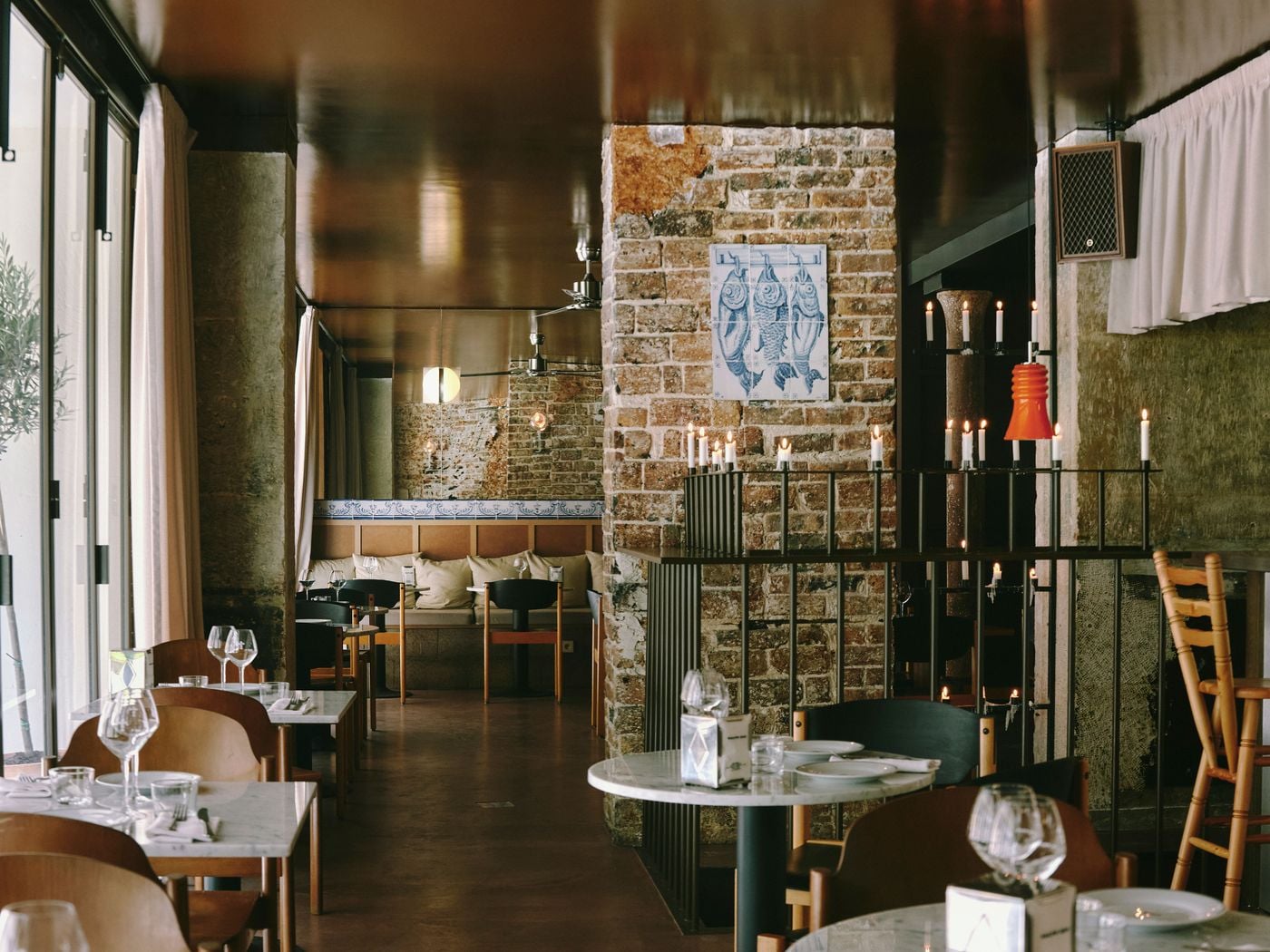
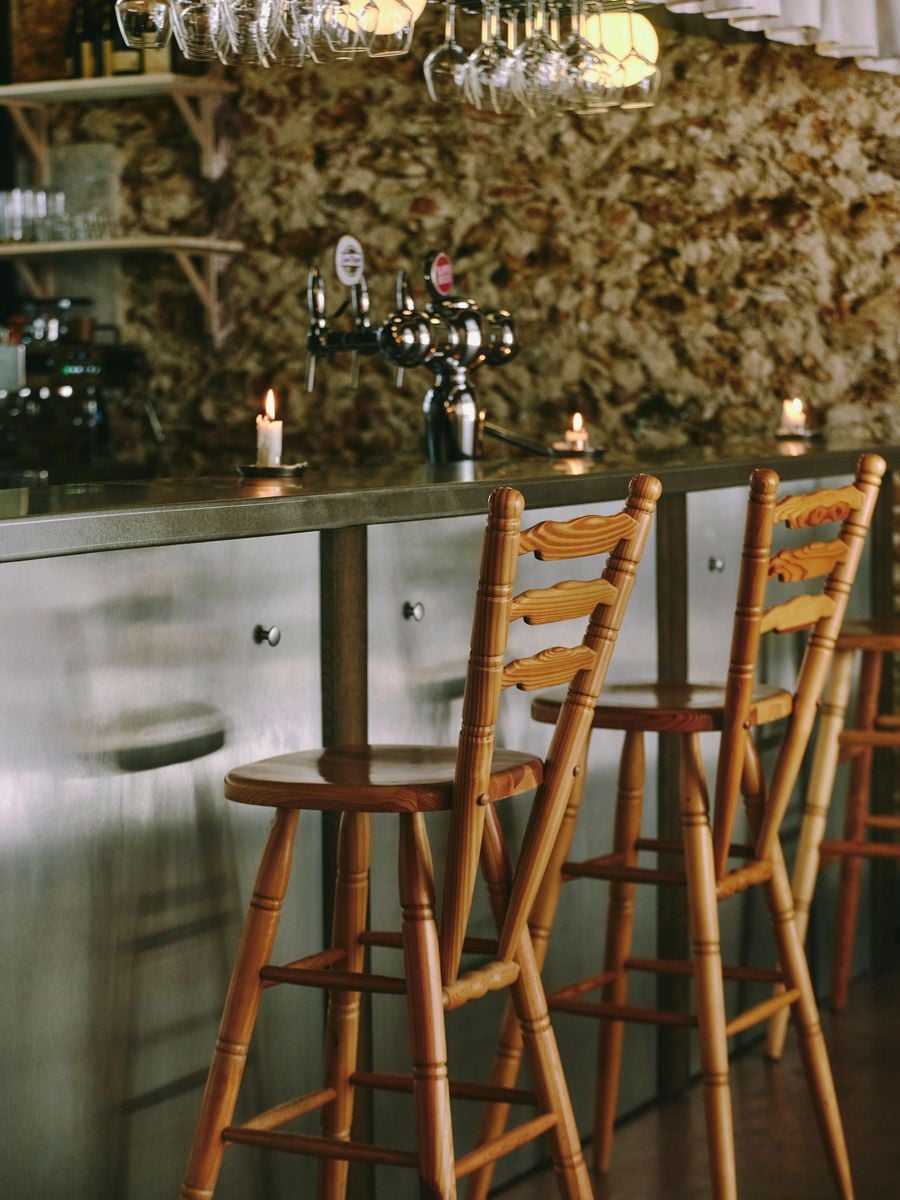
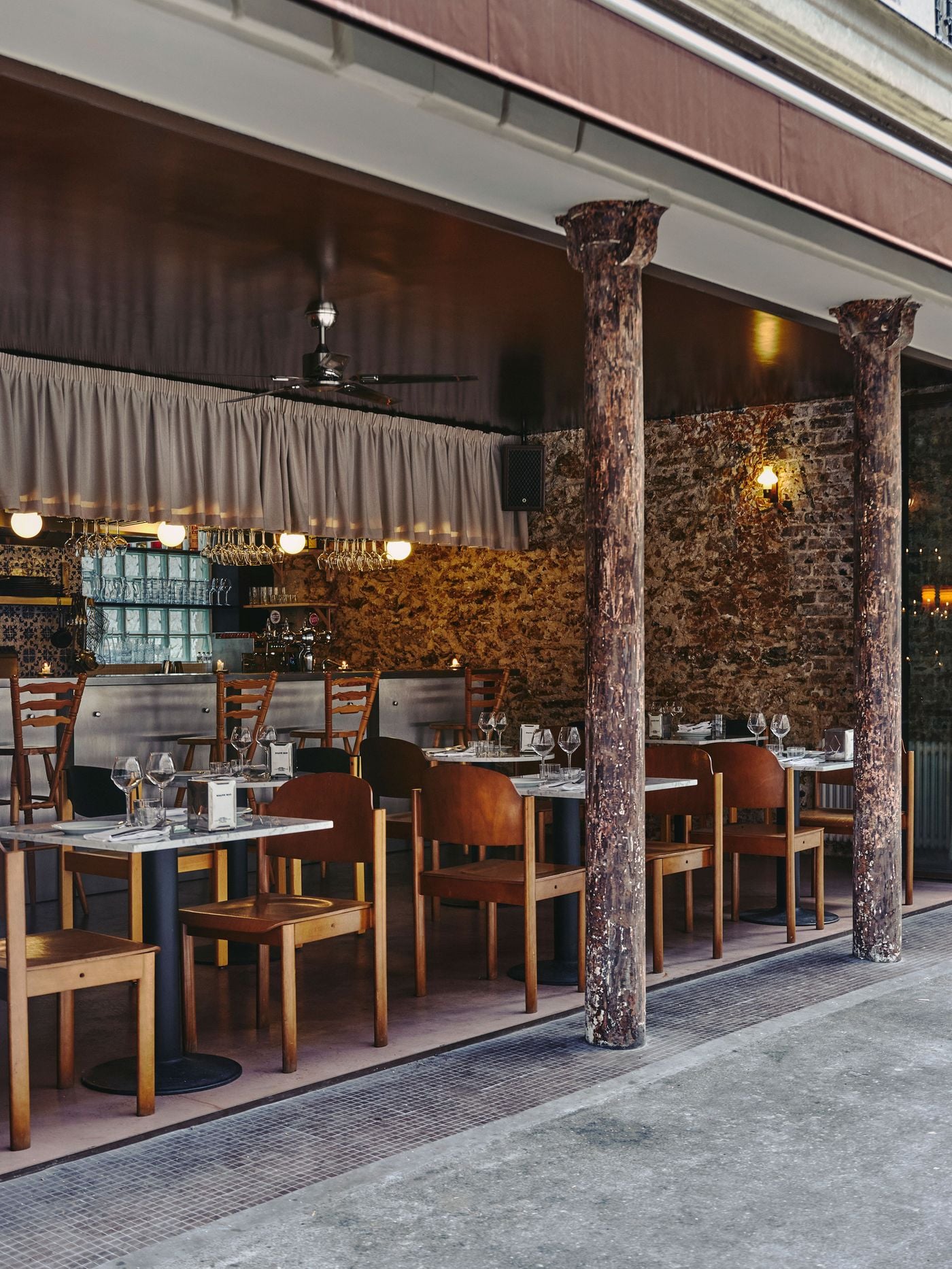
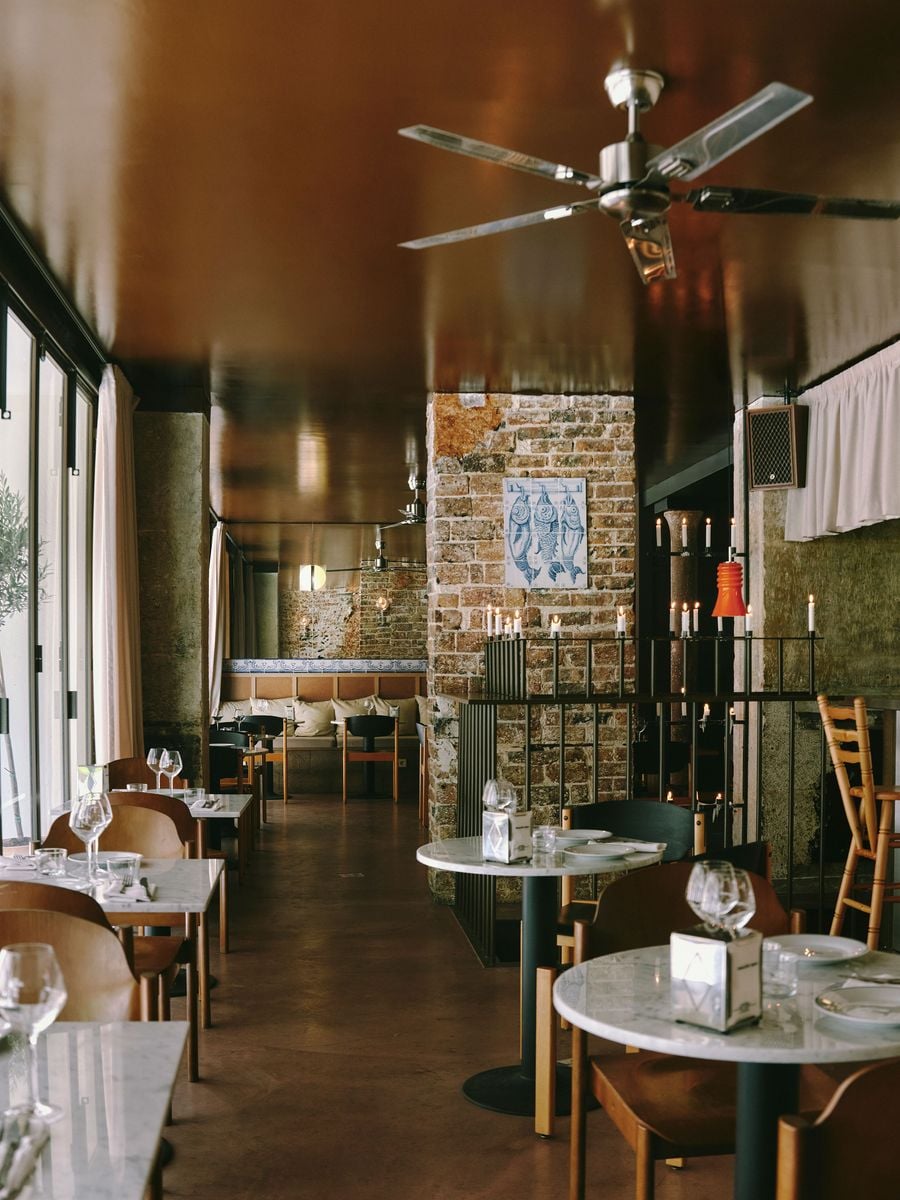
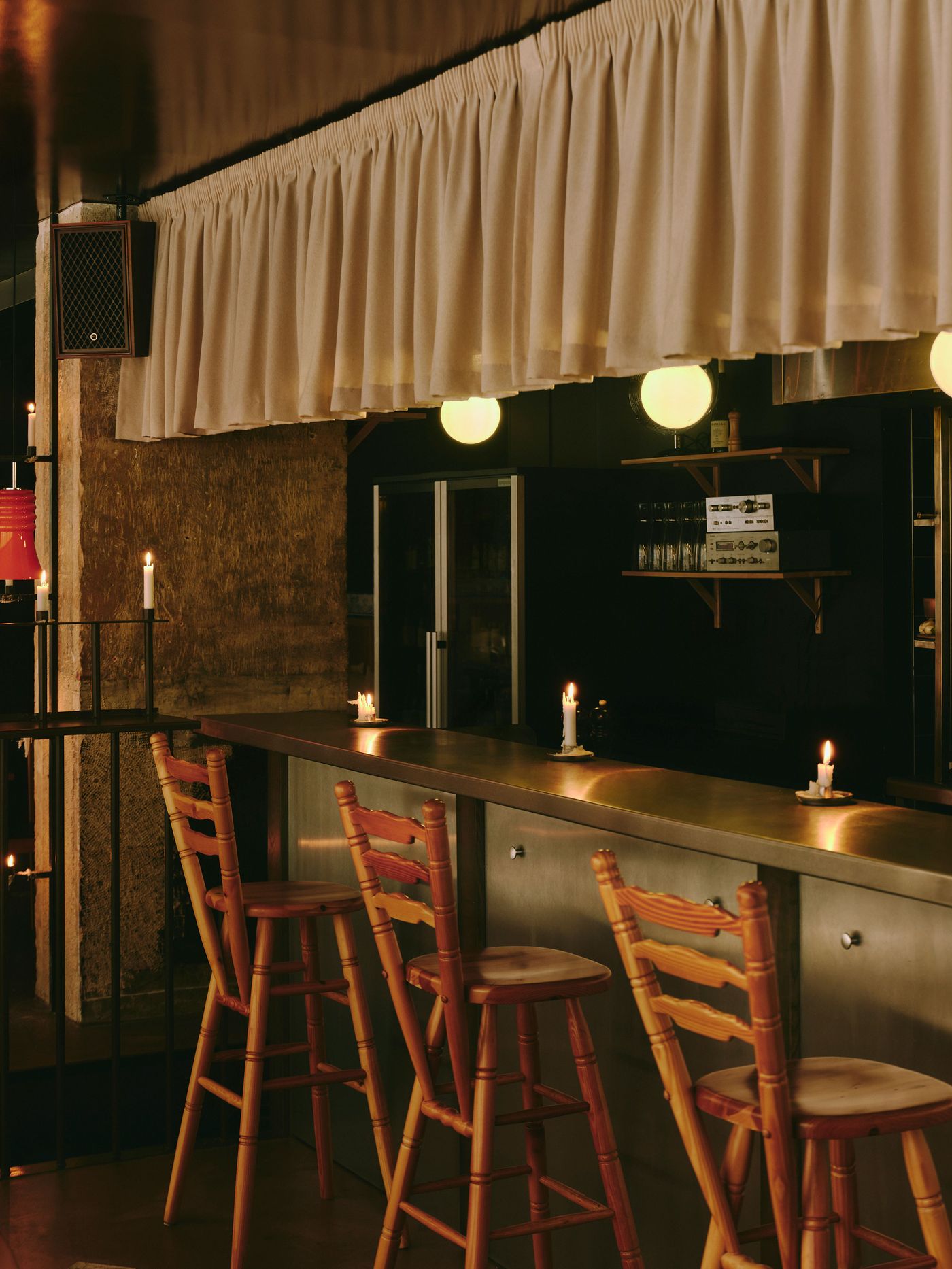
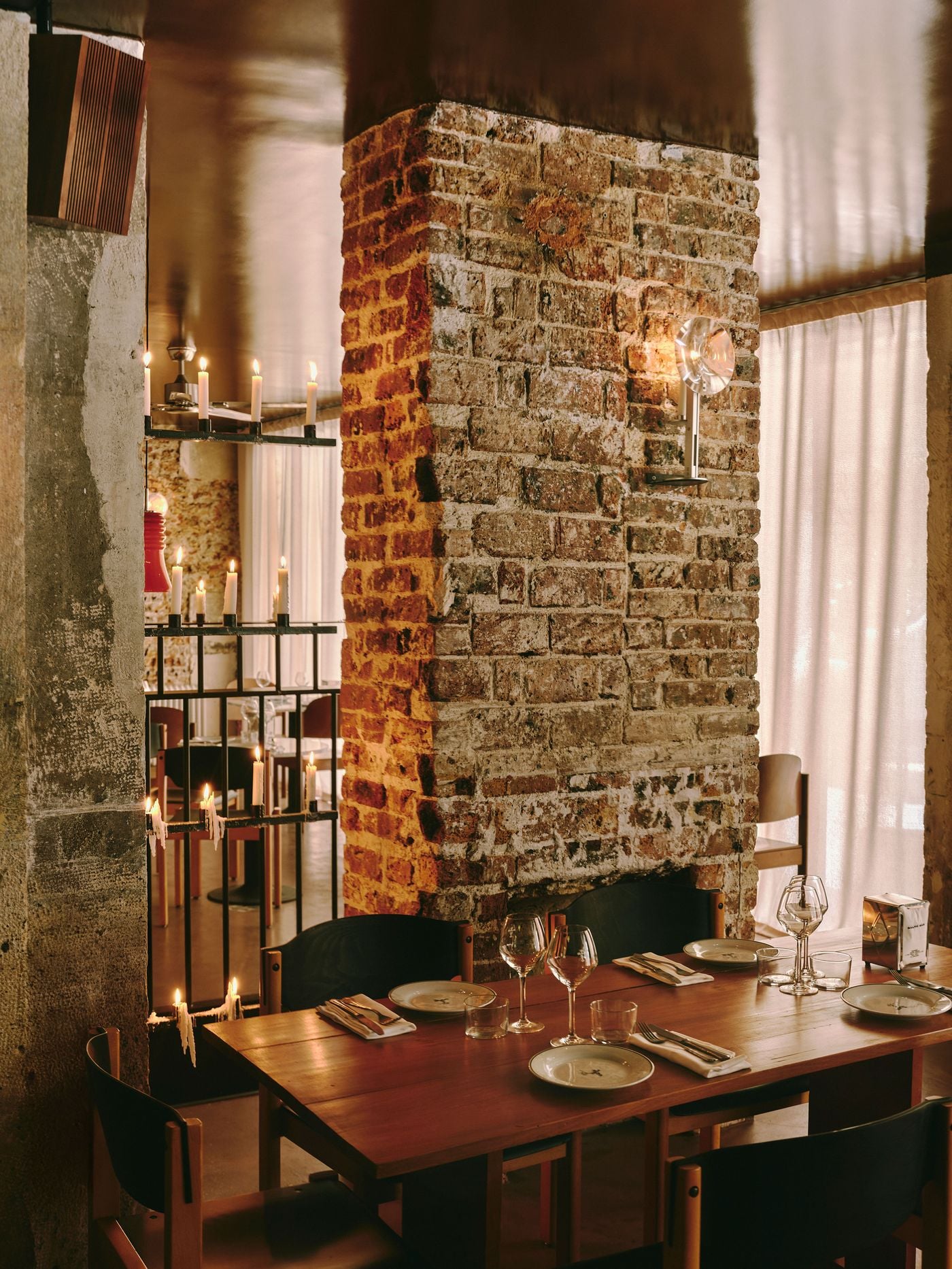
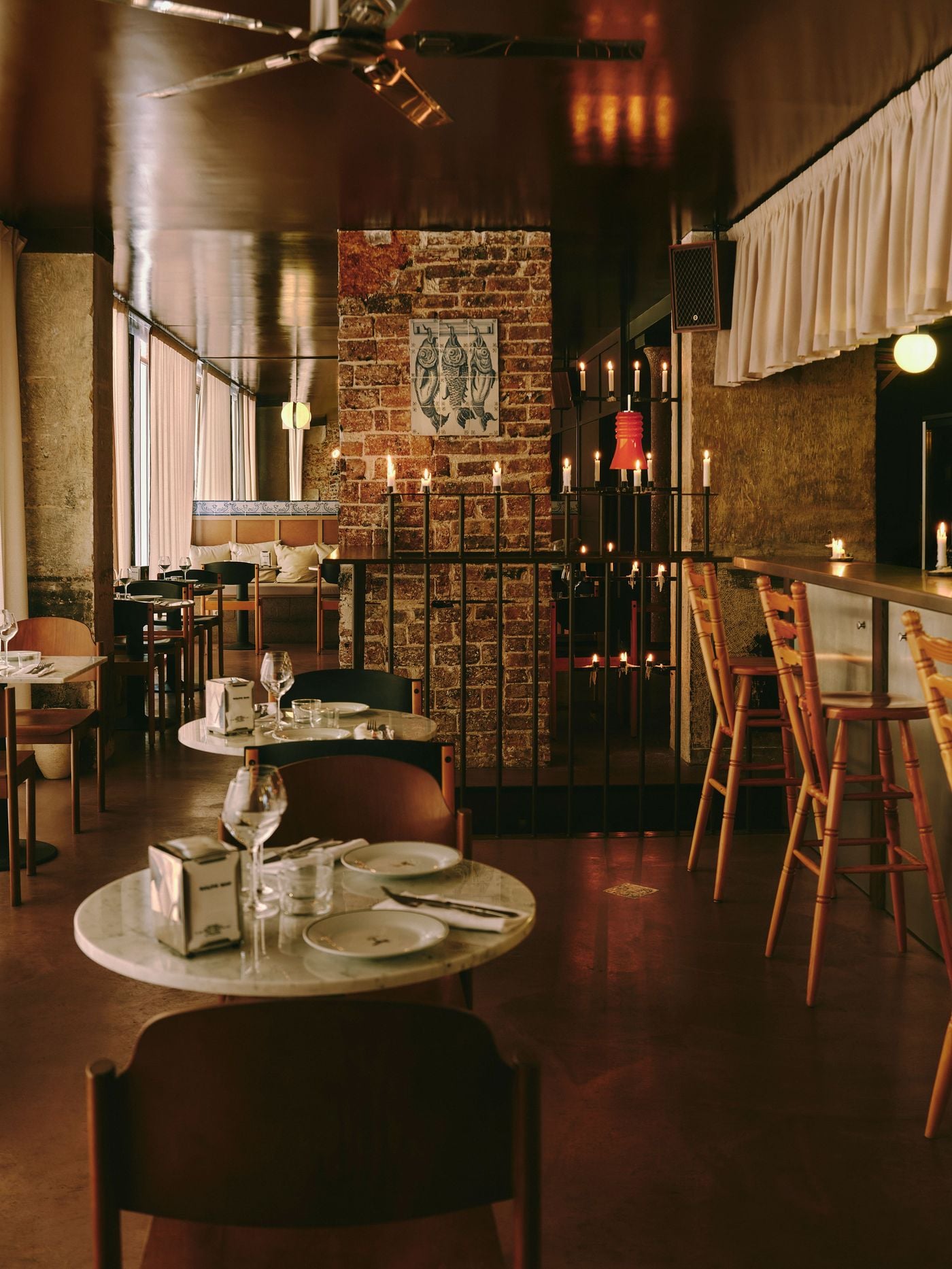
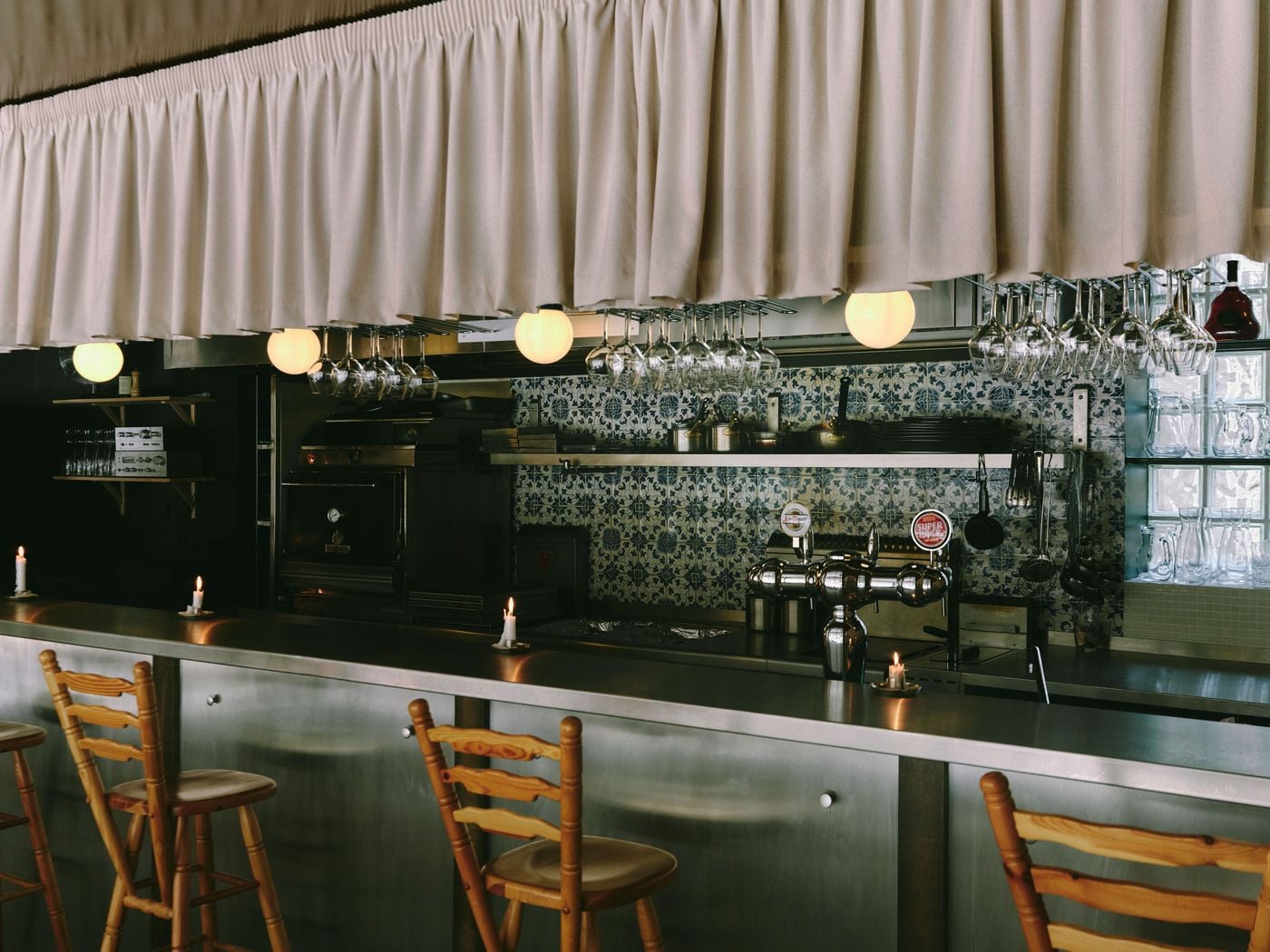
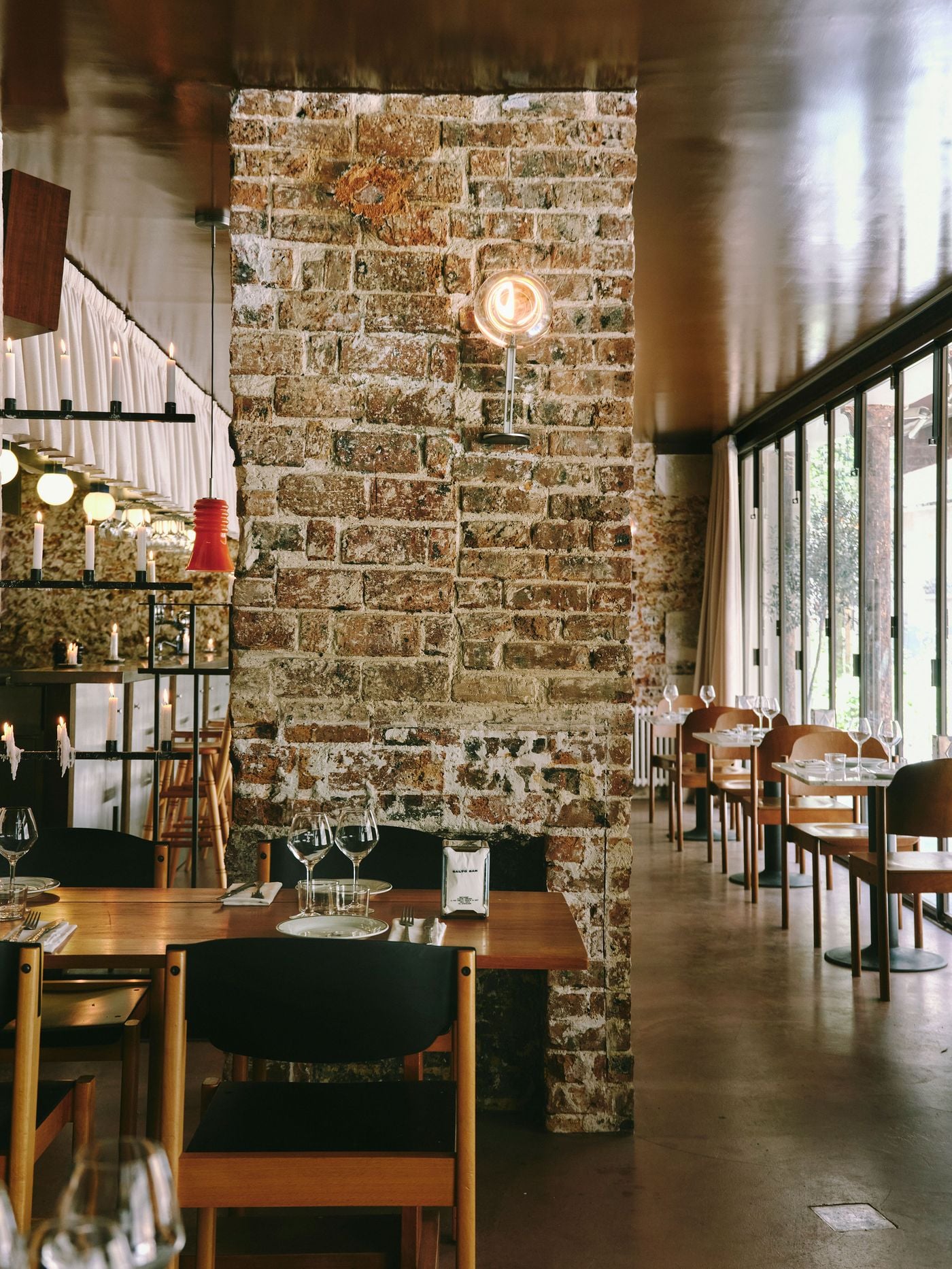
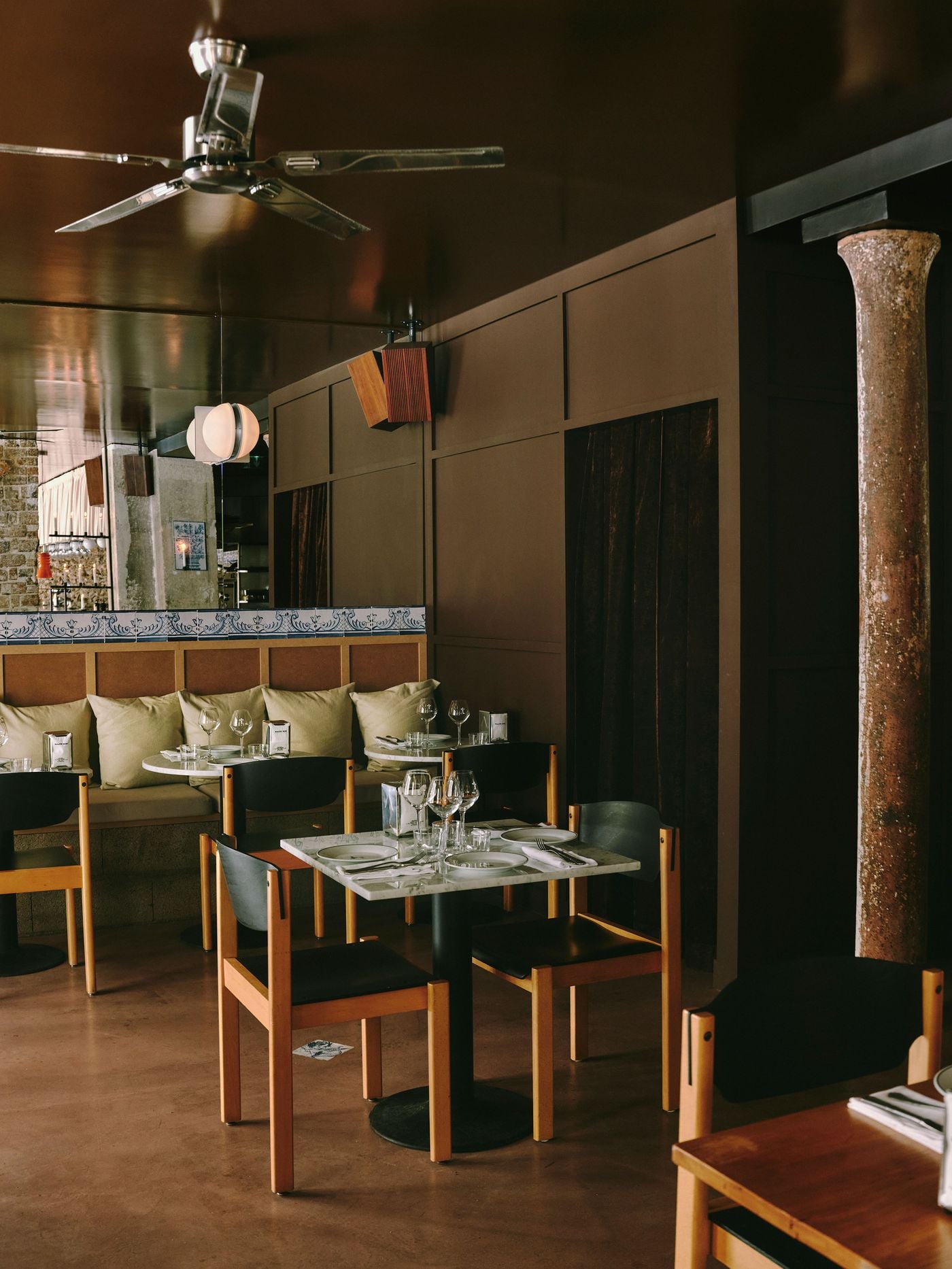
Occupying a post-Haussmannian building in the 11th arrondissement, the restaurant retains much of the space’s existing architectural fabric. Rather than overwrite its character, PANELA exposed the brickwork, concrete pillars and weathered metal columns, setting their rough surfaces against a gleaming stainless-steel open kitchen, high gloss ceiling and polished cement floors. This interplay between raw and refined gives the interior its edge without compromising its unpretentious sensibility.
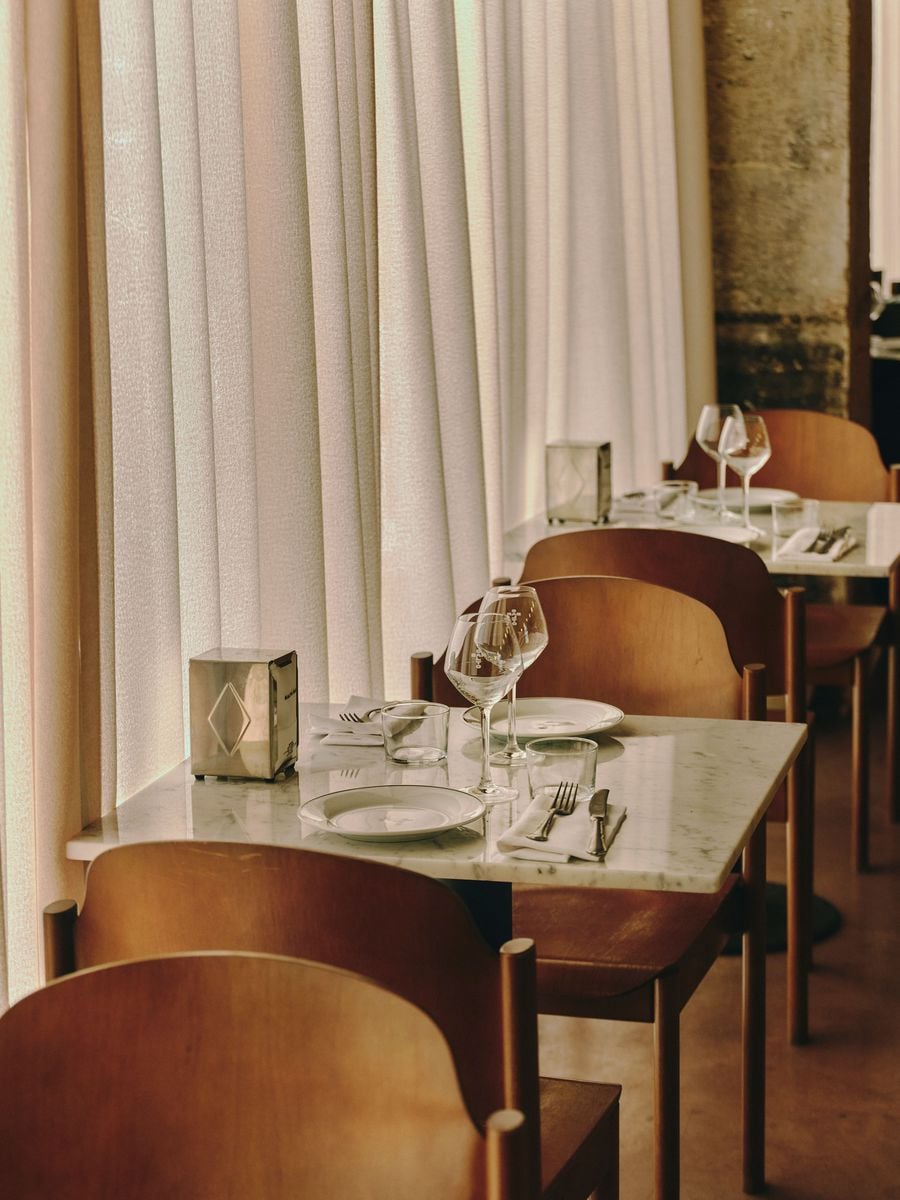
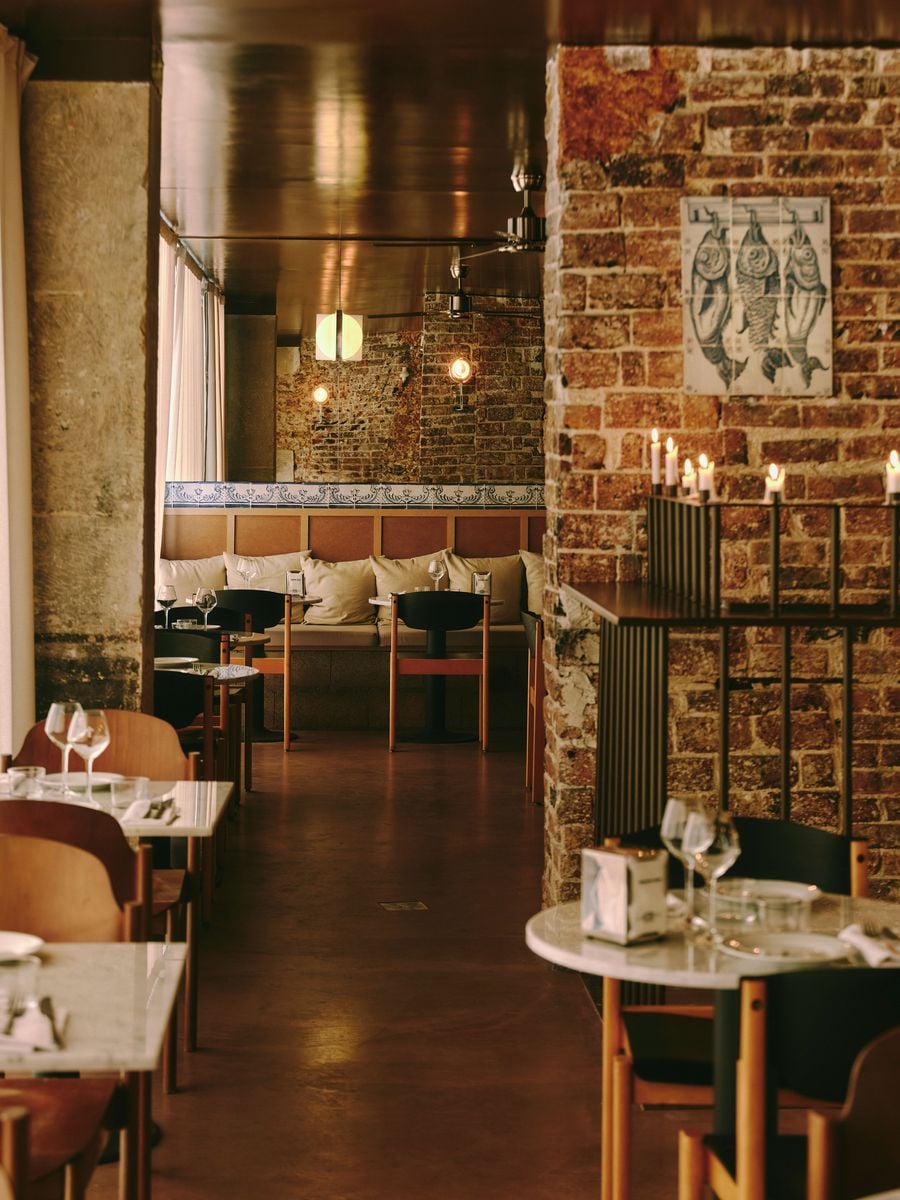
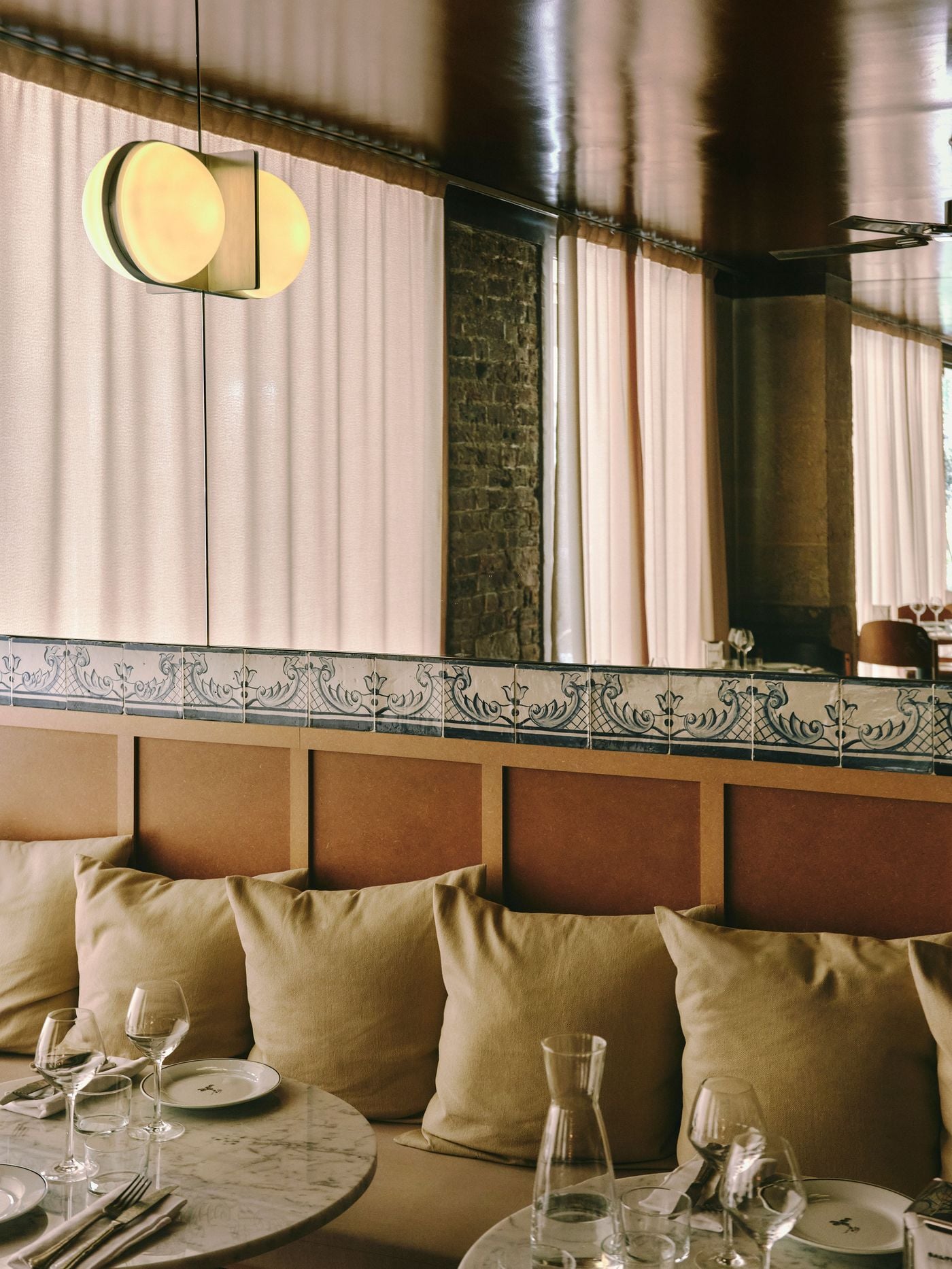
That balance extends to the furnishings. Banquettes assembled from concrete blocks and varnished MDF transform inexpensive construction materials through carefully considered detailing, while simple vintage chairs and tables introduce the easy-going familiarity of a neighbourhood restaurant. PANELA describes its approach as one of “minimal intervention”, favouring a small number of purposeful elements over stylistic gestures.
Photography by Mathilde Hiley.
Photography by Mathilde Hiley.
Photography by Mathilde Hiley.
Photography by Mathilde Hiley.
Photography by Mathilde Hiley.
Photography by Mathilde Hiley.
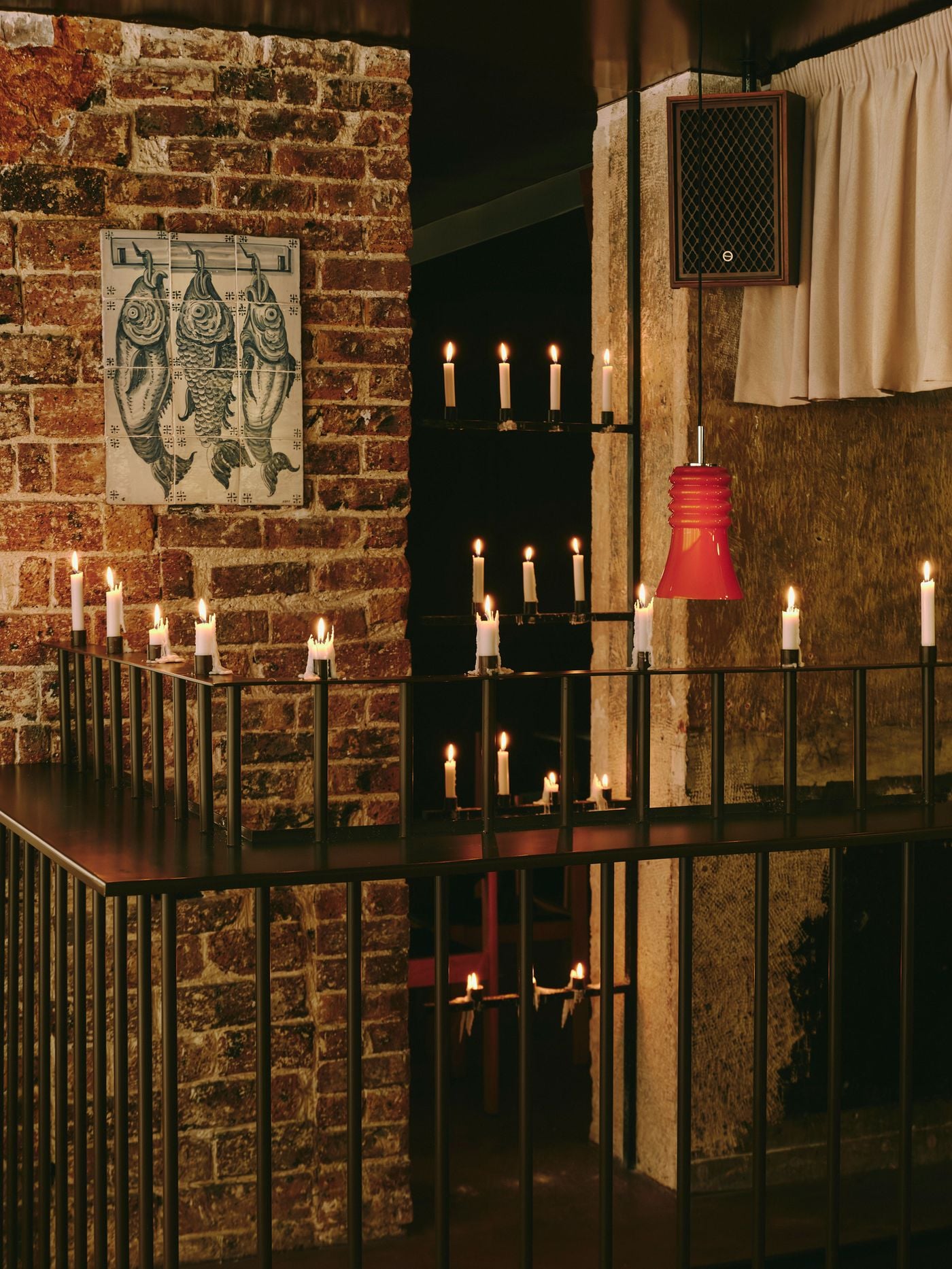
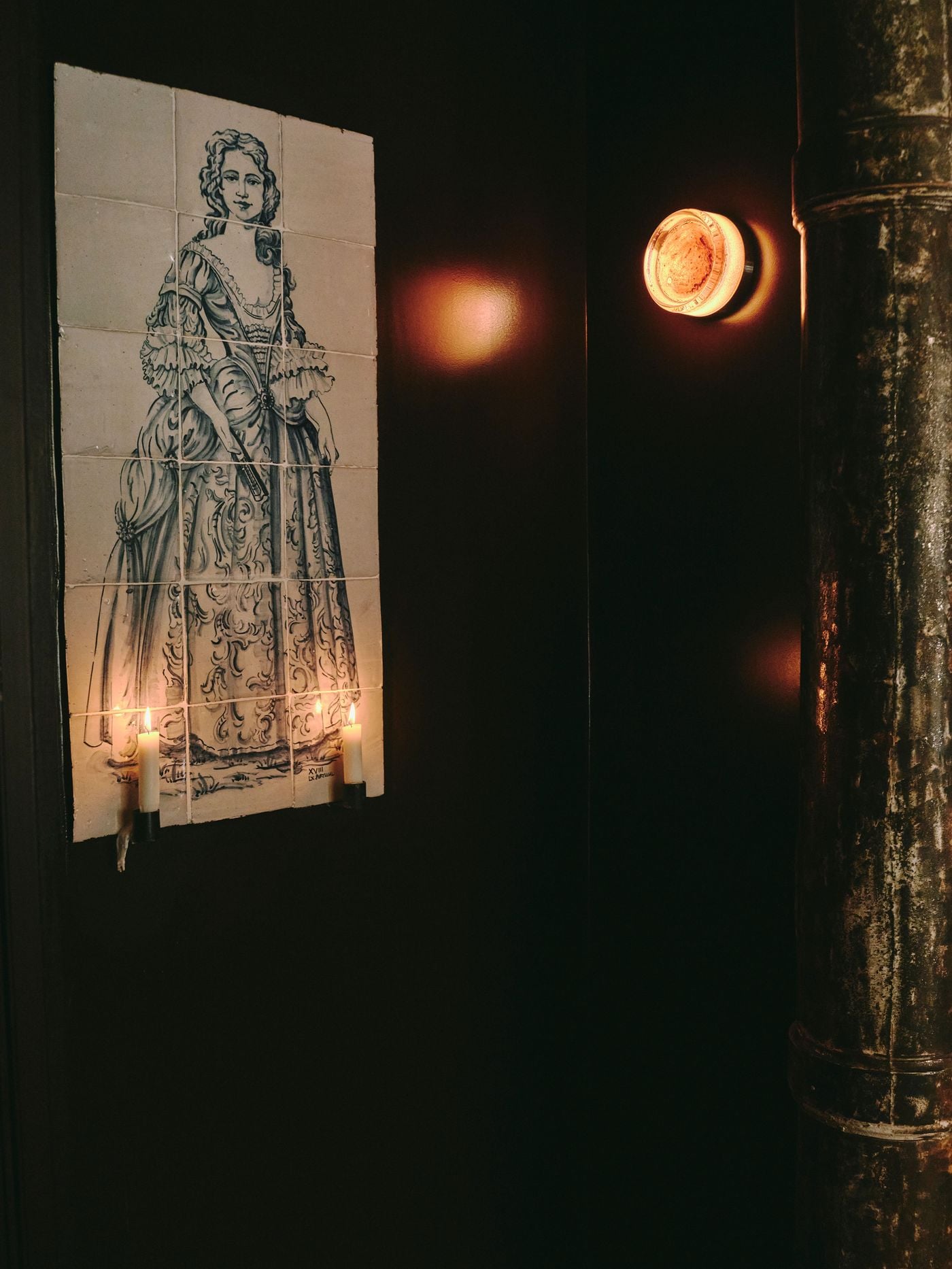
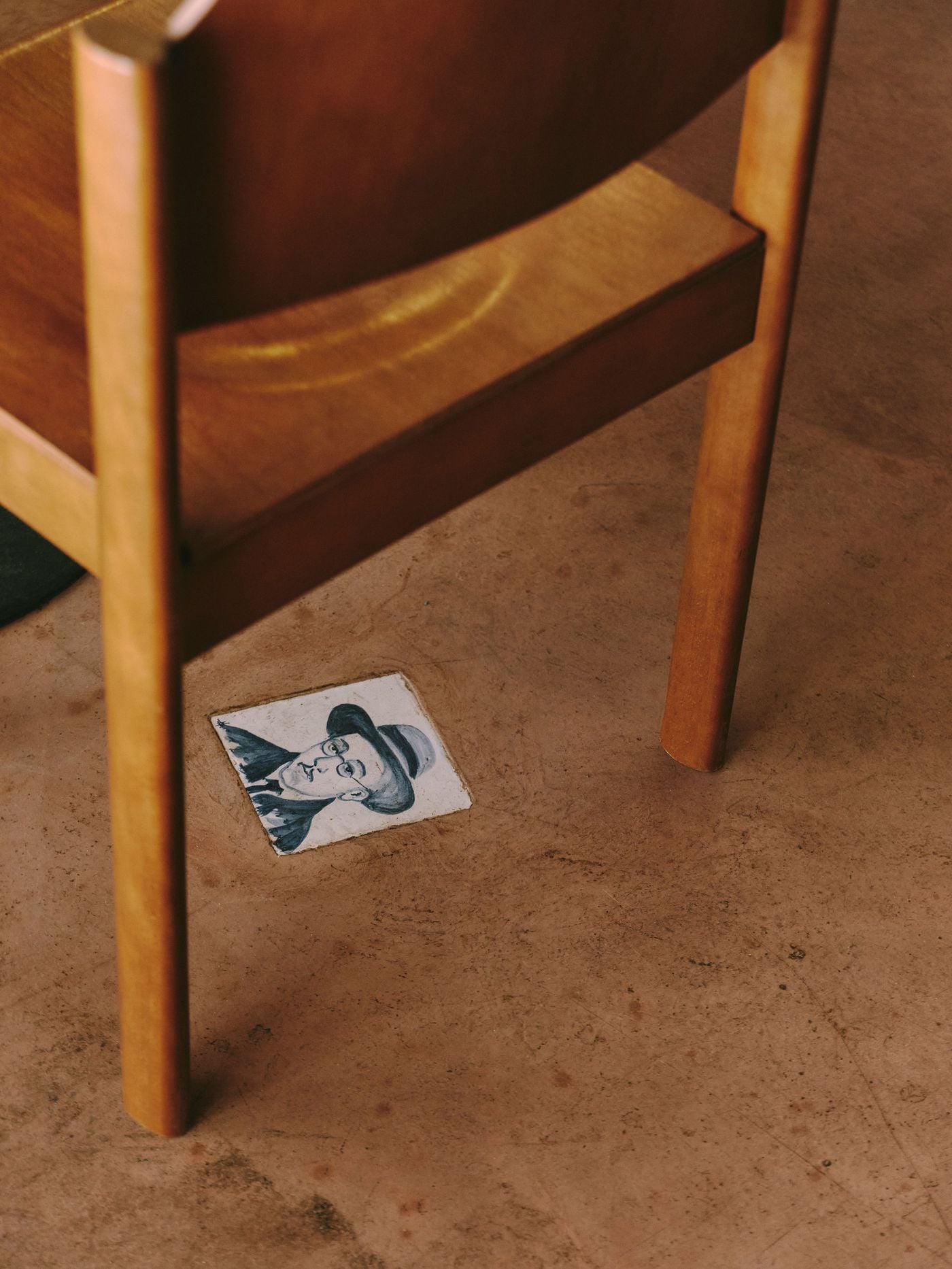
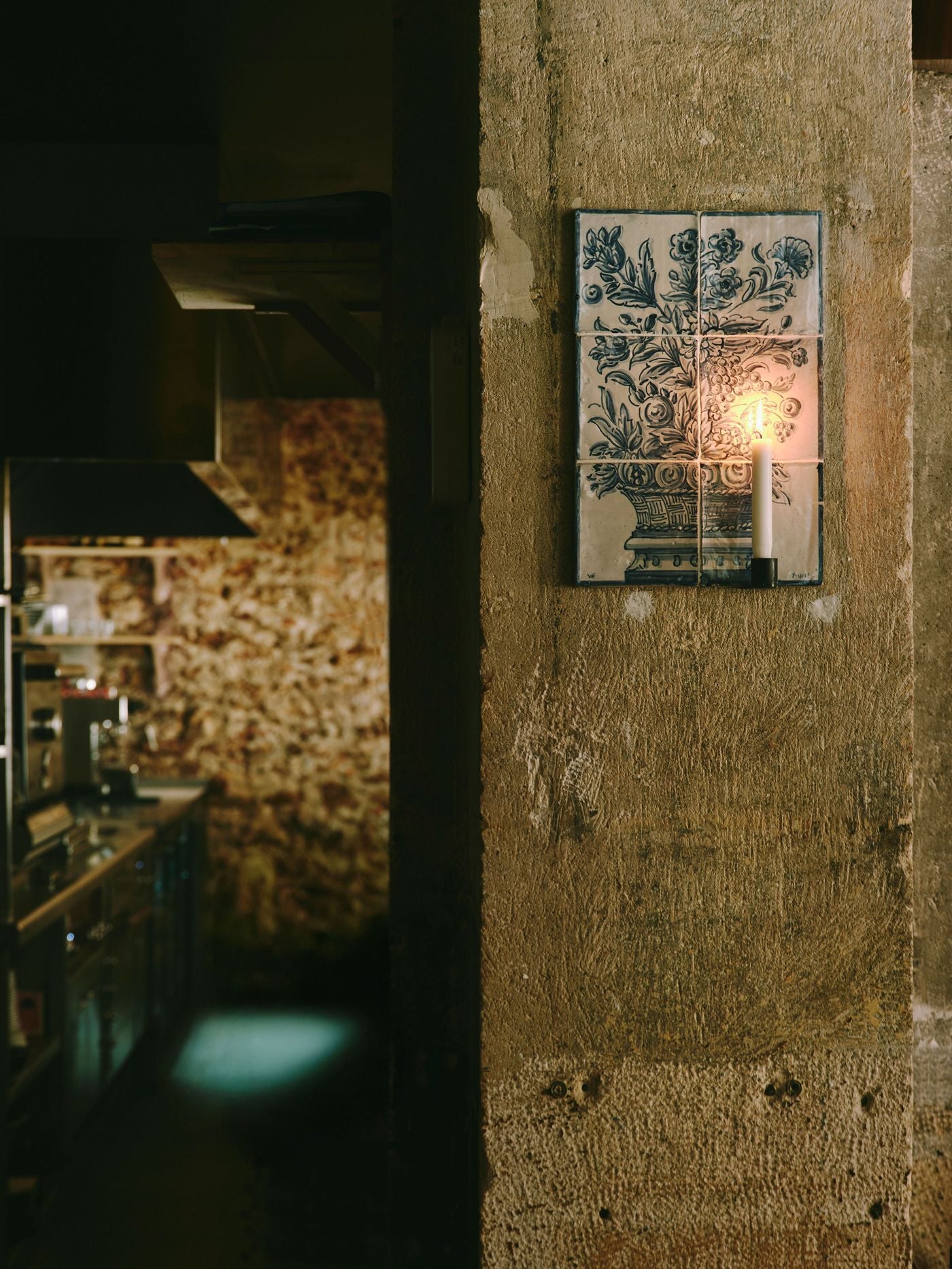
The most expressive of these are the Portuguese azulejos, sourced by the studio as a nod to Alary’s family roots. Deployed sparingly, the blue-and-white tiles crop up almost like found artefacts, forming a slender frieze above the banquettes, appearing as individual pictorial compositions on exposed masonry and even embedded into the cement floor. Behind the open kitchen they revert to their more familiar role as a backsplash, their ornamental motifs playfully countering the industrial precision of stainless-steel counters and shelving.
After dark, candles integrated into walls and furniture animate these disparate textures, their flames reflected across glazed tiles and metallic surfaces.
Photography by Mathilde Hiley.
Photography by Mathilde Hiley.
Photography by Mathilde Hiley.
Photography by Mathilde Hiley.
Alary applies a similarly unfussy approach to SaltoBar's Iberian menu, built around sharing. Pan con tomate crowned with Cantabrian anchovies, gildas and honey-glazed sobrassada fritters give way to wood-fired tellines and crisp suckling pig's ear with romesco, while larger plates include arroz con pollo a la llauna and parpatana, the prized collar cut of bluefin tuna, grilled over embers with pil-pil sauce. Much of it passes through fire, and the ingredients reflect the time Alary spent meeting producers across the peninsula.
In that sense, SaltoBar feels like a natural extension of the cooking that made Alary a social-media phenomenon. His quick, clear recipes transform relatively straightforward ingredients through confident technique and precise execution; PANELA has done much the same with a restrained palette of humble materials. What existed on screen as an appealingly direct approach to food has now found its architectural expression.
Photography by Mathilde Hiley.
Photography by Mathilde Hiley.